Are Nail Technicians in High Demand? A Complete UK Guide
Last updated: July 27, 2026
11 minutes
Are nail technicians in high demand? Yes. See UK growth figures, 2026 salaries, training routes, and the honest pros and cons before you invest in a course.
Thinking about becoming a nail technician in the UK? With training costs and growing competition, it’s natural to wonder whether there’s enough demand in the industry.
Are nail technicians in high demand? Yes. NHBF figures show 1,680 new nail salons opened across the UK in five years. Growing demand for gel nails, BIAB, acrylic extensions, and nail art creates opportunities for skilled technicians in salons, spas, and mobile beauty services.
This blog will guide you to learn about the duties of a nail technician, how to become one, and where the specialists with such qualifications find employment. You will know the salary expectations for 2026 and the true advantages and disadvantages of pursuing a nail technician career. Explore more.
What is a nail technician?
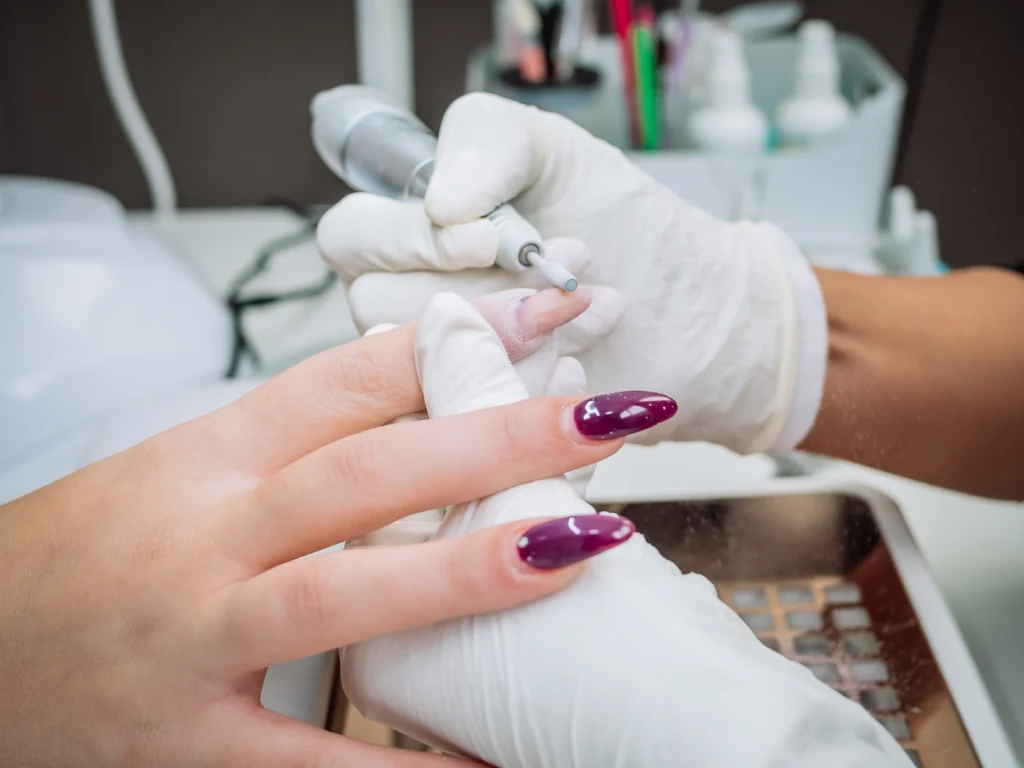
A nail technician is a trained beauty professional who provides nail care for clients’ hands and feet. The nail technician occupation involves performing a wide range of nail treatments, including manicures, pedicures, gel polish, acrylic and BIAB applications, nail extensions, and nail art.
Some people also use the term nail stylist, although nail technician is the more widely recognised job title in the UK. Alongside creating attractive, long-lasting results, nail technicians promote good nail health, maintain high hygiene standards, and deliver safe, professional services.
This profession involves more than just painting nails. You will take care of preparing natural nails, applying and removing nail extensions and keeping things neat and hygienic for your client’s safety. You also help clients look after their nails between visits.
Nail technicians usually work in salons, spas and nail bars. However, there are many professionals who work independently, travelling around or working from home.
How to Become a Nail Technician in the UK
Online Nail Technician Diploma Course
From manicures to acrylics and nail art build real nail tech skills with this nail technician diploma.
You do not need a licence to become a nail technician in the UK, but training is essential. Insurers, employers, and clients all expect recognised certificates. Follow these steps to start your career the right way.
Step 1: Choose your training route
Match the route to your situation. College courses like an NVQ or VTCT Level 2 suit school leavers and anyone wanting salon jobs, as employers often prefer them. Apprenticeships let you earn while you learn. CPD-accredited courses suit career changers who need to train around work or family.
Step 2: Complete your training and get certified
Before paying for any course, check its certificate is accepted by insurers such as ABT or The Guild. A good course covers nail technology, nail anatomy, hygiene, and safe removal. If it skips safe removal, avoid it, as poor removal is how most nail damage happens.
Step 3: Arrange insurance and check local rules
Public liability insurance starts from around £35 to £45 a year, and a single claim for an infected nail bed or acrylic reaction can cost thousands. Never treat paying clients without it. Some London boroughs also require a premises licence, so check with your local council.
Step 4: Practise and build a portfolio
Work on friends and family first, photographing every set in natural light. Aim for 20 to 30 documented sets before charging full prices. Post consistently on Instagram or Facebook, because clients scroll your page before they ever message you.
Step 5: Choose how you want to work
Start employed if you can. Salon work builds the speed and confidence that self-taught technicians take far longer to reach, and you earn while improving. Move to chair rental, mobile work, or your own home setup once you can fill a diary.
Step 6: Keep learning
Nail techniques such as BIAB application and detailed nail art evolve quickly. Ongoing CPD training keeps your nail technician skills current, and every advanced skill you add is a treatment your competitors up the road may not offer.
Are nail technicians in high demand?
Yes, nail technicians are in high demand across the UK. The industry data, the number of new salons, and live job listings all point the same way.
The clearest evidence comes from the National Hair and Beauty Federation. Its latest report found nail salons grew 8% in five years, with 1,680 new nail salons opening across the UK. That growth happened despite rising costs across the sector.
The wider industry tells the same story. The British Beauty Council found that beauty accounts for 1 in 50 UK jobs. Independent businesses make up 99% of the sector, so most of this demand reaches small salons and self-employed technicians, not just big chains.
Client habits are driving the growth. Treatments like BIAB and builder gels need infilling every three to four weeks, turning one-off visits into repeat bookings. Technicians skilled in these sought-after treatments can also charge premium prices.
Demand is not spread evenly, though. Cities support more salons but bring more competition. The technicians who stay in demand combine recognised training, strong hygiene standards, and consistent marketing, and you can see live vacancies on the government’s Find a Job site. Overall, the UK continues to offer strong nail technician opportunities for qualified professionals.
Where Can Nail Technicians Find Employment?
There are numerous career opportunities for qualified nail technicians across the UK. Whether you prefer working for an employer or running your own business, you can find employment in salons, spas, hotels, retail beauty studios, or as a mobile or self-employed nail technician.
Depending on your experience and career goals, you could work in one of the following settings:
Nail salons
Nail salons remain the most common workplace for qualified nail technicians. They offer a steady flow of clients, experienced colleagues to learn from, and the opportunity to build your confidence and speed. Many salons also hire junior technicians and provide on-the-job support.
Spas and hotels
Spas and hotel beauty suites serve clients who expect a premium, relaxed experience. Treatments are often booked alongside massages and facials, and the pace is calmer than a busy high-street salon.
Retail beauty studios
High-street brands and department stores now run in-store nail counters, such as Superdrug’s Beauty Studio, found in stores across the UK. These roles offer stable employed hours and suit technicians who prefer regular pay over building a client list.
Mobile and home-based work
Working as a mobile nail technician gives you the flexibility to visit clients at home, work, or special events. Offering mobile nail services keeps start-up costs relatively low while helping you build a loyal local client base and set your own working hours.
Self-emplopyment
Many freelance nail technicians build successful businesses through repeat customers and referrals. Working as a freelance nail tech allows you to set your own prices and choose your working hours. So, running your own business requires strong business communication skills when dealing with enquiries, bookings, and customer expectations.
Chair or room rental
Renting a space inside an established salon gives you self-employment with built-in footfall. You pay a fixed weekly rent or a percentage of takings, and the salon’s walk-in clients help you build your book faster.
Cruise ships and events
Cruise lines hire nail technicians for onboard spas, combining work with travel. Others specialise in weddings, photo shoots, and fashion events, where nail prep is booked as part of a styling team.
Training and education
Experienced technicians can move into teaching; these roles often require strong leadership qualities and skills as well as ongoing professional development. It is a natural next step once you have several years of client work behind you.
When you are ready to apply, the government’s Find a Job site lists nail technician vacancies across the UK, from junior salon roles to senior positions.
Online Nail Technician Diploma Course
From manicures to acrylics and nail art build real nail tech skills with this nail technician diploma.
Nail technicians in the UK earn between £19,000 and £23,000 per year on average in 2026, according to the National Careers Service.
Several factors influence nail technician earnings, including experience, location, and employment type. They are discussed below:
Salary by experience
Experience level
Typical pay (2026)
Starter
£12.71–£12.95 per hour (around £19,000 a year)
Experienced
Up to £15 per hour (£23,000–£27,000 a year at full-time hours)
Senior / specialist
Higher rates through premium treatments and loyal clients
Starting pay tracks the National Living Wage of £12.71 for workers aged 21 and over. Recent listings sit just above it, with Superdrug’s Beauty Studio roles advertising £12.80 to £12.95 per hour. Indeed’s UK average of £14.98 per hour reflects experienced technicians.
Salary by location
Here is the surprise: location matters less than you might think for employed roles. Glassdoor puts the London average at £23,321, barely different from the national £23,687. Outside London, treatment prices are generally lower, but so are competition and running costs.
Where London does pay more is self-employment. Technicians there charge noticeably higher treatment prices, so the capital rewards business owners rather than employees.
Salary by employment type
Employment type
Typical pay (2026)
Employed (salon, spa, retail)
£12.71–£15 per hour, stable and predictable
Chair rental / self-employed
£25–£40 per gel manicure, £35–£60 per BIAB set
Mobile / home-based
Same treatment prices, lower overheads
Minimum wage rules do not apply to business owners, so self-employed income depends entirely on your prices and your diary. Four BIAB sets a day at £45 brings in £180 before products, insurance, rent, and tax. Expect a leaner first year while you build regular clients.
Pros and Cons of Being a Nail Technician
Nail work offers real freedom and creativity, but it also comes with challenges that training providers rarely mention. Here is the honest picture, so you can decide with your eyes open.
Pros
Low cost to start. Compared with most careers, entry is affordable. A recognised course, a starter kit, and insurance can get you working within months, not years.
Flexible working. You choose employed stability or self-employed freedom. Mobile and home-based technicians set their own hours, which suits parents and career changers especially well.
Creative work. Every set is different. Nail art, seasonal trends, and new techniques like BIAB keep the work interesting, and clients bring you their ideas to make real.
Loyal repeat clients. Nails grow, so happy clients return every few weeks. Regulars also recommend friends, and word of mouth becomes your strongest source of bookings over time. So good communication in the workplace helps build trust and long-term customer relationships.
Clear ways to earn more. Beyond treatments, retail sales like aftercare products add extra income, and experienced technicians can move into teaching. Your earning ceiling rises as your career does.
Cons
The first year is slow. Building a full diary takes time, and many new technicians earn little while their client list grows. Most keep another income going until bookings hold steady for a few months.
Real competition. Nail bars and home-based technicians operate in most areas, and price wars are common. The cheapest technician in town rarely makes a profit, so compete on quality, not price.
Physical demands. You spend hours hunched over, hands gripping tools. Back, neck, and wrist strain are common, and regular exposure to dust and product chemicals makes good ventilation and safe practice essential.
Unsociable hours. Clients book when they are free, which means evenings, weekends, and pre-holiday rushes. If you want a strict nine-to-five, employed retail studio roles suit you better than self-employment.
Income can vary. Self-employed earnings rise and fall with bookings and seasons, and there is no sick pay, holiday pay, or paid time off. No-shows cost you directly, which is why most technicians take deposits.
You run everything yourself. Marketing, bookings, accounts, and difficult clients all sit with you on top of the nail work. Products, insurance, and training costs never stop, so price to cover all of it.
No personal licence exists for nail technicians anywhere in the UK. However, London boroughs require a special treatment premises licence for salons offering nail services, and some specify accepted qualifications. Mobile technicians treating clients in their own homes are usually exempt, but always confirm with your local council.
Why put toothpaste on your fingernails at night?
Some people apply toothpaste to whiten stained nails, as its mild abrasives can lift surface discolouration from dark polish or smoking. It is a home remedy, not a professional treatment. A buffing block and cuticle oil work better, and persistent discolouration is worth showing a professional.
Do nails have keratin?
Yes. Nails are made of layers of keratin, the same hardened protein found in hair and skin. This is why overall health shows in your nails, and why good technicians protect the natural nail during every treatment, especially when removing gel or acrylics.
Conclusion
So, are nail technicians in high demand? The evidence is clearly shown throughout the blog. 1,680 new nail salons in the last five years, beauty supporting 1 in 50 UK jobs, and live vacancies from high-street studios to luxury spas. Salaries run from £19,000 for starters to £27,000 for experienced technicians.
The most striking lesson in all of this is that demand alone decides nothing. The market rewards technicians who train properly, price with confidence, and treat the first year as an investment, while undercutting and guesswork keep others stuck at minimum wage. The gap between the two is not luck. It is preparation.
The trends are moving in your favour. BIAB and premium treatments keep pulling clients back every three to four weeks, and 99% of the sector remains independent, so there has never been more room for a skilled newcomer to build a name. Learn the craft well, and the demand is there waiting for you.
High Skills Training
High Skills Training is a UK-based CPD training provider offering structured online courses and educational resources across health and social care, business administration, and professional development, supporting recognised standards and ongoing workforce development.
Weekly Newsletter
Never miss an article
Get the latest insights, tutorials, and deep dives delivered to your inbox every week.
Discover the best mushrooms to grow for beginners in the UK, from oyster kits to lion’s mane, covering growing conditions, colonisation tips and growing...
Understand Hard vs Soft Facilities Management. Explore key services, legal requirements, and integrated FM models to keep your UK business site compliant.
Learn about mushroom farming cost and profit in the UK, including startup costs, running expenses, profit margins, key factors, and ways to improve returns.