



How to Get Pet First Aid Certified in the UK?
Learn how to get pet first aid certified in the UK. Find accredited courses, understand certification types, and discover why it matters for pet...
View This BlogSpecial Deal
£11.24Any Courses
Limited Time only


Can I refuse to be a first aider at work? Yes, you can. Learn about your rights, your employer's duties, and first aid regulations, all explained clearly.
In the UK, 49% of people refuse to perform the duties of a first aider at work because of legal and safety concerns, or just being unsure about the responsibilities.
So, can I refuse to be a first aider at work? Yes, you can refuse to be a first aider at work. It’s always your choice. If you don’t feel confident to take on the responsibility of a first aider, you can always refuse. But if you agree to take on the role, you’re expected to fulfil the responsibility.
In this blog post, you will learn about the legal regulations, employer duties, and whether any statutory body in the UK can enforce you to become a first aider at work.
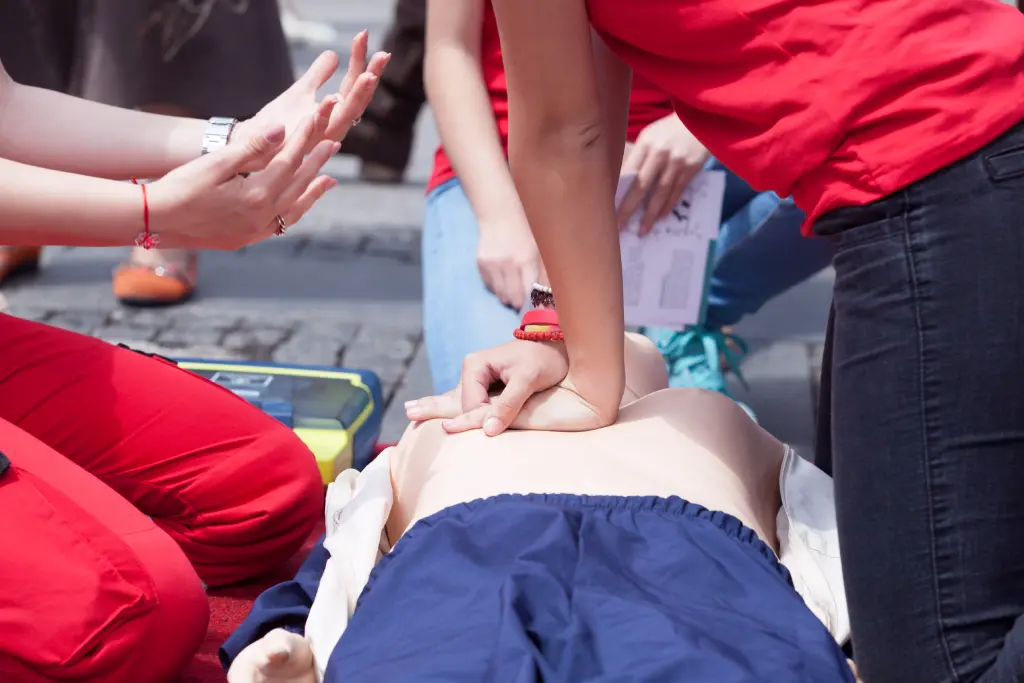
A first aider at work provides immediate support to someone who is injured or ill. Their duty is to respond and assess the situation before the professional medical help arrives.
A workplace first aider is not the same as an “appointed person”. A first aider at the workplace is not just to call for help or manage first aid kits. They are expected to give practical first aid support to the injured or ill persons.
So, a first aider at work is not just there to help with the first aid arrangements or call for help, but also to give you basic first aid treatment.
Being a first aider at work requires you to understand the responsibilities of a first aider. One of the core duties of a first aider is to provide the initial medical assistance to an ill or injured person.
Now, to what extent a first aider can help the casualty depends on the situation. Let’s take a look at the responsibilities of a first aider:

Anyone can be a first aider at the workplace, only if they have completed the relevant training course. However, just completing the training won’t be enough. You must be able to have the mentality to handle emergencies.
A workplace first aider needs to have the mental capacity to keep calm in emergencies. So, someone with the confidence and the skills to handle emergencies can become a first aider in the workplace. They should also be physically fit enough to carry out first aid tasks when needed.
Under the “Good Samaritan Law”, anyone can provide basic, low-risk first aid without formal training. A simple first aid action can save someone’s life. So, in a workplace, if someone is injured, you can provide basic first aid without training.
Let’s take a look at the basic first aid actions that you can take if not trained:
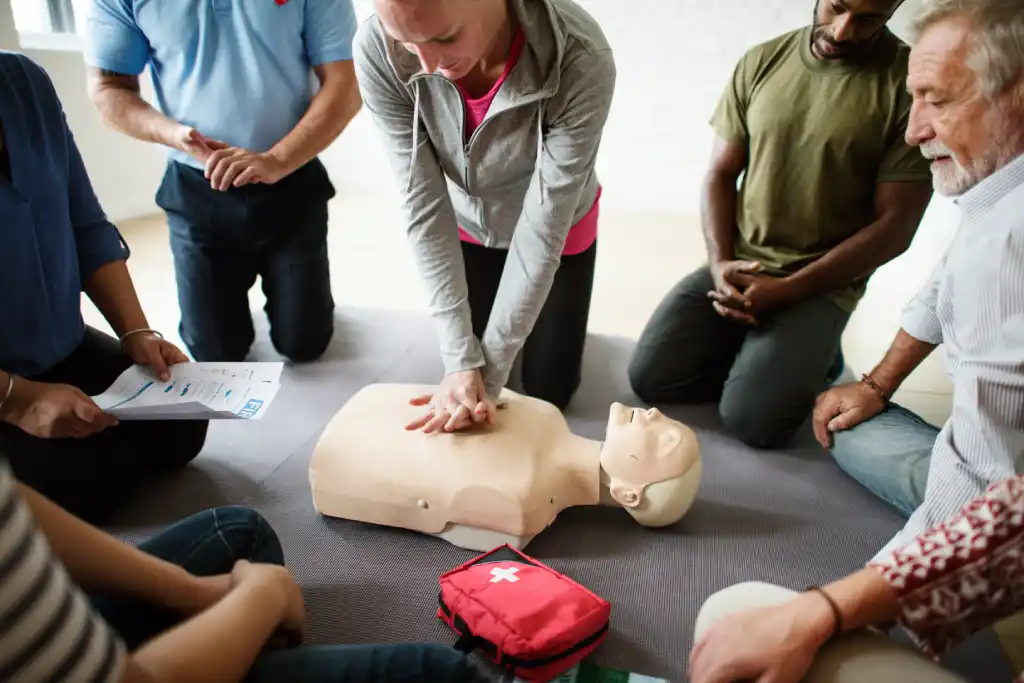
Yes, you can refuse to be a first aider at work in the UK. There is no mandatory law or any statutory body that can force you to become a first aider at work.
Almost half of employees choose not to take on the role of a first aider at work. But why is that? Often, it comes down to a lack of confidence, uncomfortable handling medical situations, worries about legal or safety issues, or simply not having the proper training.
At any workplace, the decision to become a first aider is voluntary. So, if your job contract does not clearly state that you are required to act as a first aider, your employer cannot legally force you to take on that responsibility.
Suppose you’re already working as a first aider for quite some time, but don’t want to continue, you can do that. You also have the right to step down from the role of a first aider at work.
First aid at the workplace is essential for the overall safety of everyone. That’s why having proper first aid provision at the workplace is a must.
Now, let’s take a look at the minimum first aid provision for any workplace:
According to the Health and Safety (First-Aid) Regulations 1981, every employer must appoint at least one trained first aider at work. To ensure the safety of workers in emergencies, it’s essential to have a first aider who can respond immediately.
So, it is a must to have a first aider at work. If an employer fails to appoint one, they could face fines or other penalties for breaking health and safety regulations.
Before appointing a first aider at work, you must conduct a first aid needs assessment. This assessment will help you with the exact number of first aiders required in the workplace.
Plus, the risk level of the workplace must be considered while appointing a first aider. For your better understanding, let’s take a look at the table below:
| Workplace Type | Number of Employees | First Aider Needed |
| Low-risk workplaces | Less than 25 | At least one appointed person |
| 25–50 | At least one emergency first aider | |
| More than 50 | One FAW-trained first aider for every 25 people | |
| High-risk workplaces | Less than 5 | At least one appointed person |
| 5–50 | At least one FAW-trained first aider | |
| More than 50 | One FAW-trained first aider for every 25 people |

Only for £59 (was £999)
Access 400+ expert-led courses for 12 months.No hidden fees. Cancel anytime.
Get Access NowAccording to the first aid regulations, employers must provide the necessary first aid kit and a trained first aider who can provide immediate support in emergencies.
Workplace accidents can happen at any time, and anyone can get sick at the workplace. For these kinds of situations, the Health and Safety Executive (HSE) has created the first aid regulations, so that employees can get immediate support.
There is no denying that immediate support from a first aider can result in a significant impact on those who are sick. That’s why having a first aid kit and a trained first aider at work is not just a legal requirement, but also a crucial step in protecting the health and safety of employees.
It’s not a legal requirement to pay more if you are performing the duties of a first aider in the workplace. However, if it’s included in your contract, you could get a little extra pay for taking on the duties of a first aider.
No, a first aider can not give paracetamol to the person who is feeling sick. A first aider can help someone take their own medication if necessary, but they are not allowed to give any medication. A first aider’s role is limited to immediate first aid support, not medical treatment.
First aiders are not legally obligated to help, which means no one can force you to step in. But if you take on the responsibility of a first aider, you are expected to provide support in emergencies.
A first aider at work is an individual who provides immediate first aid support in emergency situations. But you will see that almost half of the employees refuse to perform the duties of a first aider.
So, if the question popped into your mind, can I refuse to be a first aider at work? The answer is yes, you absolutely can. The choice is yours, and there is no legal obligation. If you are not comfortable handling emergencies or worried about the legal concerns, you can refuse to be a first aider at work.
Hope this blog post helped clear your doubts about becoming a first aider at work and gave you the confidence to decide whether the role is right for you.

High Skills Training is a UK-based CPD training provider offering structured online courses and educational resources across health and social care, business administration, and professional development, supporting recognised standards and ongoing workforce development.
Get the latest insights, tutorials, and deep dives delivered to your inbox every week.
🔒 No spam. Unsubscribe anytime.
Learn how to get pet first aid certified in the UK. Find accredited courses, understand certification types, and discover why it matters for pet...
View This Blog
Explore what is the purpose of basic life support and understand how CPR, compressions, and AED use help save lives in emergencies. Read this...
View This Blog
A body collapses, and suddenly silence replaces breath. Panic fills the air, yet your hands begin CPR, fighting to pull a life back from...
View This Blog
