




How Much Does Mushroom Farming Cost and Profit in the UK?
Learn about mushroom farming cost and profit in the UK, including startup costs, running expenses, profit margins, key factors, and ways to improve returns.
View This BlogSpecial Deal
£11.24Any Courses
Limited Time only



How much do plumbers make a month in the UK? See current 2026 salary, weekly, hourly and self-employed earnings data, plus what qualifications you need.
Thinking about a career in plumbing, or already qualified and wondering what you should be earning? The numbers matter more than the reputation.
How much do plumbers make a month? Most employed plumbers in the UK take home between £2,400 and £3,000 a month before tax, based on our research into current UK plumber salary data. Self-employed plumbers often earn more once demand and day rate are factored in.
This guide breaks that figure down by week, hour, year and self-employment status, using current UK earnings data. Explore more below.

An employed plumber in the UK earns around £3,035 a month before tax on average, though the median tells a different story. Experience and location both explain most of the gap.
| Plumber | Monthly (before Tax) | Annual (before tax) |
| Apprentice | £1,649 | £19,791 |
| Median (typical) | £2,667 | £32,000 |
| Average | £3,035 | £36,417 |
| Average (London) | £3,277 | £39,325 |
| Journeyperson | £3,801 | £45,614 |
Pick up a specialism like gas engineering on top of a journeyperson qualification, and the number climbs further still. Where you’re based matters too; London plumbers sit well ahead of most of the rest of the country.
An employed plumber on the UK average salary earns around £700 a week before tax, working out from an annual salary of £36,417 across a standard working year. Take-home pay after income tax and National Insurance lands closer to £570.
Self-employed plumbers don’t work to a fixed weekly wage, though. Charge the average day rate of £350 and put in five full days, and you’re looking at roughly £1,750 before diesel, materials, insurance and the tax man take their share.
A quiet week, or one where a job cancels last minute, hits that number hard. That seems to be the main trade-off with self-employment plumbing jobs.
Break the UK average salary down to an hourly rate, and it comes to around £17.50 to £18.70, based on an annual salary of £36,417 spread across a 37.5 to 40-hour week. Employer, region and experience all shift this in practice.
Self-employed plumbers charge considerably more per hour to cover their own business costs. The average hourly rate sits at around £50, with typical UK rates running from £40 to £70 depending on the job and where it’s based.
Call-out charges are common on top of that, especially for emergency or out-of-hours work. These usually fall between £60 and £120, and may cover the first hour of labour.

The average UK plumber salary sits at £36,417 a year, though the median is closer to £32,000. That gap comes down to a handful of high earners pulling the average upward.
A broader look at pay across the career gives a similar picture: £24,000 for starters, rising to £46,000 for experienced plumbers, which lines up well with the average and median figures above. Apprentices average £19,791 while training, and that climbs sharply once qualified, with journeyperson plumbers averaging £45,614.
Location shifts the number too. London plumbers average £39,325 a year, noticeably ahead of the national picture, while most other major cities sit at or below it.
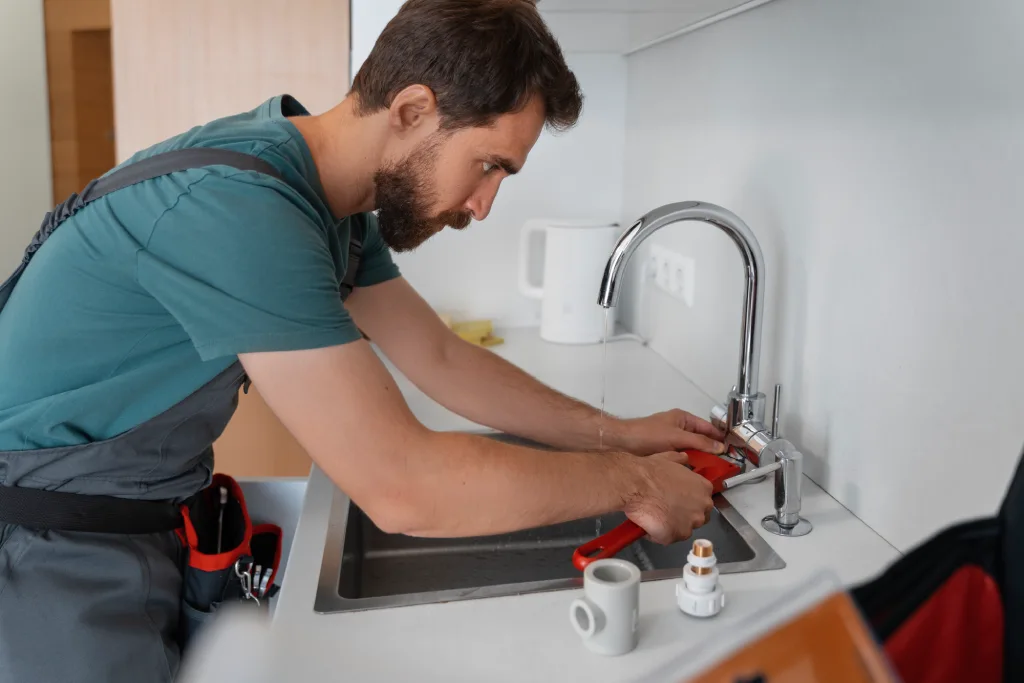
There’s no fixed salary for self-employed plumbers. What you earn comes down to your day rate, how many hours you work, and how full your diary stays. The average day rate sits at around £350 and the average hourly rate at £50.
Keep a full, steady schedule at those rates and a self-employed plumber, or plumbing business owner, could gross more over a year than the average employed wage, before costs are taken out. Gas Safe registration opens the door to better-paid work too, from boiler installs to gas work and heat pump systems.
Running your own plumbing business comes with costs an employed plumber doesn’t carry. The van, tools, insurance, unpaid quoting time and tax admin all eat into that gross figure, so a headline day rate rarely tells the full story.
Where you’re based matters more here than it does for employed pay, since day rates are set locally. Plumbers in London, and other areas with steady demand, can usually charge more per job than the UK average.
There’s no single qualification you need to start out, but most plumbers train through a college course, an apprenticeship, or by working as a plumber’s mate while studying part-time. Entry usually calls for 4 to 5 GCSEs, including English and maths, according to the National Careers Service.
| Route | Typical Requirements | Typical Duration |
| College course | Varies by course; 4–5 GCSEs (grades 9–4) including English and maths for a T Level | 1-2 years |
| Level 3 advanced apprenticeship | 5 GCSEs (grades 9–4) including English and maths | Around 4 years |
| Plumber’s mate / working towards the role | Some GCSEs including English and maths, plus practical skills | Varies |
| Direct application | Relevant qualifications and several years’ experience | N/A |
A Level 3 Advanced Apprenticeship, typically in Plumbing and Domestic Heating, is the most common route and usually takes around four years. It combines on-the-job training with formal study, so you earn while you learn rather than paying for full-time college first.
If you’re weighing up which route suits you best, from apprenticeships to college courses to working your way up as a plumber’s mate, this guide on the best way to become a plumber breaks each option down in more depth.
If you’re just starting out, an online plumbing course can be a useful way to get a foundation before committing to a full apprenticeship.
Job costs scale enormously with the size of the work. A tap repair and a heat pump installation sit at completely different ends of the scale, which is part of why plumber pay varies so much between a routine repairs round and a specialist installation contract.
| Plumbing job | Typical cost |
| Leaky tap repair | £50–£150 |
| Toilet repair | £60–£200 |
| Drain unblocking | £75–£200 |
| Pipe repair | £80–£150 |
| New bathtub, supplied and fitted | £300 average |
| Boiler installation | £1,500–£3,000 |
| Bathroom plumbing (excluding sanitaryware) | £3,250 average |
| Full bathroom installation | £7,000 average |
| Wet room installation | £9,000 average |
| Air source heat pump installation | £12,500 average |
Repairs and small jobs pay far less per visit than installation work, but a busy repairs-focused plumber can fit several jobs into a single day. Installation-focused plumbers do fewer, larger jobs, which is often why specialists like Gas Safe registered engineers and heat pump installers earn more overall.

Several things push both job costs and plumber pay up or down. Scope of work is the biggest factor on its own; a tap repair costs a fraction of a full bathroom installation, but location, experience and specialism all shift the number too.
| Factor | Effect |
| Scope of work | Small repairs cost and pay far less than full installations |
| Location | London plumbers average £39,325 a year against a £36,417 national average |
| Experience | Journeyperson plumbers average £45,614 a year against £19,791 for apprentices |
| Specialism | Gas Safe registration and skills like heat pump installation open the door to higher-value work |
| Materials | Rising material and fuel costs get passed on through job pricing over time |
Location and experience are the two factors with the clearest, most measurable effect on both what a plumber charges and what they take home. Specialising, particularly through Gas Safe registration, is one of the more direct ways to move up the pay scale.

Only for £59 (was £999)
Access 400+ expert-led courses for 12 months.No hidden fees. Cancel anytime.
Get Access NowYes, it pays a solid, above-average trade wage in the UK. Employed plumbers average £36,417 a year, rising to £39,325 in London. Self-employed plumbers can earn more once day rate and workload are factored in, though income is less predictable than a salaried role.
There’s no fixed requirement to start out, but most apprenticeship routes ask for 4 to 5 GCSEs at grades 9 to 4, including English and maths, according to the National Careers Service. Some college courses and trainee roles have more flexible entry requirements.
A good plumber is reliable, qualified and transparent about costs. They arrive on time, communicate clearly, provide detailed quotes and follow UK plumbing regulations. Look for positive reviews, relevant qualifications, proper insurance and a willingness to explain the work before starting.
So, how much do plumbers make a month in the UK? Employed plumbers average around £3,035 a month before tax, while self-employed plumbers can earn more once day rate and workload are factored in. This guide has covered the figure by week, hour, year and employment status.
The clearest pattern across this data is the gap between average and median pay, and the gap between employed and self-employed earnings. Experience, qualifications and location all move the final number in a fairly predictable direction.
Anyone weighing up plumbing as a career, or considering the move from employed to self-employed work, should treat these figures as a starting point. Steady demand for skilled plumbers means location, reputation and how consistently work is booked will always shift the real number.

High Skills Training is a UK-based CPD training provider offering structured online courses and educational resources across health and social care, business administration, and professional development, supporting recognised standards and ongoing workforce development.
Get the latest insights, tutorials, and deep dives delivered to your inbox every week.
🔒 No spam. Unsubscribe anytime.
Learn about mushroom farming cost and profit in the UK, including startup costs, running expenses, profit margins, key factors, and ways to improve returns.
View This Blog
How to become an aviation manager in the UK? You require a Bachelor’s degree in a relevant field, industry experience, & strong leadership skills....
View This Blog
Discover what is facilities management in this clear UK guide. Learn key types, daily manager responsibilities, and how to develop essential industry skills.
View This Blog
