




How Much Does Mushroom Farming Cost and Profit in the UK?
Learn about mushroom farming cost and profit in the UK, including startup costs, running expenses, profit margins, key factors, and ways to improve returns.
View This BlogSpecial Deal
£11.24Any Courses
Limited Time only



How to become a medical biller and coder from home in the UK? Step-by-step guide covering courses, certifications, NHS jobs, salary, and remote work options.
In the UK, medical billing and coding can be done from home, but these are typically available to experienced professionals rather than beginners.
Knowing how to become a medical biller and coder from home involves gaining relevant training, recognised qualifications, and practical coding experience before progressing into remote positions. It also requires familiarity with healthcare documentation standards and coding systems used in clinical settings.
This blog explains what medical coding and billing involve, why these roles are important in the healthcare system, and current salary expectations for 2026 in the UK. Let’s talk details.
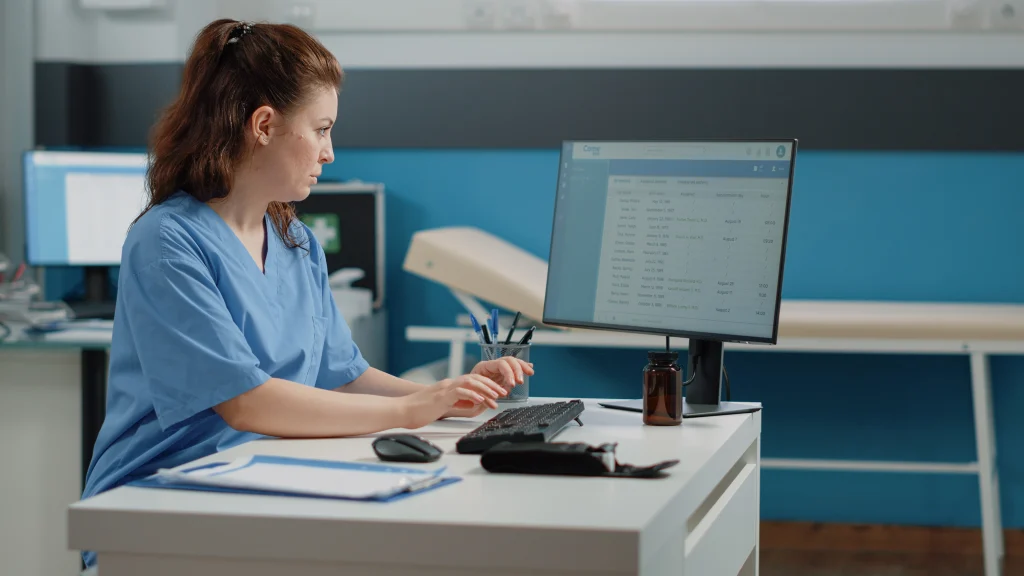
Medical coding and billing refer to an administrative function where patients’ healthcare services, procedures, and diagnoses are converted into standardised alphanumeric codes. These codes are then used to prepare insurance claims. Plus, this helps doctors and other healthcare providers be reimbursed accurately for the services they provide.
Medical coders analyse patient health records as well as provider notes and assign standardised codes based on specific coding systems. This task requires precision.
The reason is that if a code is incorrectly assigned, the payment claim will not match what has been received by the patient. After the process is completed, it can be submitted.
Once coding is completed, medical billing takes place. Medical billing involves submitting the coded information as insurance claims to insurance companies. The insurer then reviews the claim and processes payment. After this, any remaining balance may be billed to the patient.
Medical coding and billing ensure smooth communication between healthcare providers and insurance companies. This process helps:

To become a medical biller and coder from home, you need the right combination of training, certification, and expertise in the medical billing and coding sector. Most professionals develop their skills in entry-level roles. Remote opportunities typically become available as they gain experience and progress in their careers.
Before starting formal training, many beginners choose to complete the Basics of Medical Billing and Coding course to understand how the reimbursement process works. Medical coders use standard codes to describe patients’ diagnoses and procedures, whereas medical billers utilise these codes for filing claims to insurance providers.
A medical billing and coding course usually introduces the core knowledge required for the role, including medical terminology, anatomy, healthcare documentation, and coding standards. They also learn how coding systems such as ICD-10, CPT, and HCPCS are used to translate medical information into standardised codes.
Although certification is not always required, many employers prefer certified candidates. Common credentials include Certified Professional Coder (CPC), Certified Professional Biller (CPB), Certified Coding Associate (CCA), and UK-based medical coding certification pathways such as NCCQ and ACC.
Acquire hands-on experience through actual exercises using medical record files, simulated cases, and billing programs. There are training courses that use practical exercises, which will help you gain more experience and be able to qualify for an entry-level position.
One can secure certification in billing or coding through recognised organisations to enhance job opportunities.
Once you have gone through the training course, apply for a basic-level job. In certain situations, your employer may permit you to begin working from home straight away, whereas in others, your employer may require you to have worked in the office for weeks or months before working from home.
Some of the beginner-level jobs in this occupation are those of junior medical coder, medical biller, billing specialist, medical billing specialist, or administrative medical occupations.
Search for opportunities to become a remote coder/biller with hospitals, insurance companies, health care organisations, or dedicated medical billing firms. Try using job search keywords like “remote medical coder” or “work-from-home medical billing specialist.”
Since coding standards and regulations are constantly changing, ongoing training and gaining more experience are a great way to boost your career and get better-paid remote jobs.

Yes, medical coding and billing can be conducted remotely; however, in the United Kingdom, such an arrangement is usually seen in senior roles rather than entry-level jobs. Entry-level coders/billers start out in training and office positions before moving on to remote work.
Because coding and billing processes are computerised, both NHS organisations and private health institutions, along with insurance companies, provide remote positions for experienced medical billers/coders.
If you’re considering this career path, you may be wondering:
Becoming a medical biller and coder takes between 4 and 18 months to develop a core foundation in this profession, based on the education path and qualification you choose to pursue. In the UK, no degrees are needed because employers generally consider certification and coding experience to be more important than degrees.
This is the most popular way to enter this profession. The courses concentrate on developing your skills in areas like medical language, anatomy, documentation, and coding systems employed in practice.
Diplomas offer more extensive education in coding procedures and billing systems, and give a good overview of the workings of the healthcare system.
These provide more academic training in general healthcare or health information management but are longer than other training routes.
Select a reputable training organisation that provides coding standards applicable in medical practice, like ICD-10 and OPCS-4.
The training will entail attending classes on medical terminologies, anatomy, health records, coding regulations, billing regulations, etc.
If you want to get employment within the UK market, then you may consider obtaining credentials, including:
International certifications such as CPC (AAPC) or AHIMA pathways may also be useful, depending on the employer or global opportunities.
Salaries for medical billing and coding jobs in the United Kingdom depend on individual expertise and qualifications. Most positions follow the NHS Agenda for Change guidelines, whereby salaries depend on skill levels.
Recent NHS clinical coding vacancies show the following typical salary ranges:
| Role Level | NHS Band | Typical Salary |
| Entry-level coding support (Admin/trainee support roles) | Band 3–4 | ~£24,000 – £31,000 |
| Accredited Clinical Coder | Band 5 | £32,073 – £39,043 |
| Senior Clinical Coder | Band 5 | £32,073 – £39,043 |
| Clinical Coding Specialist Lead | Band 6 | £41,957 – £50,387+ |
In some senior NHS roles, additional payments such as recruitment and retention premia (RRP) or high-cost area supplements (HCAS) may increase total earnings further.
Remote and hybrid opportunities are generally more common in mid-level and senior NHS coding roles rather than entry-level positions.
Based on recent vacancies:
Entry-level roles are more commonly office-based or hybrid, while professionals build experience and accreditation.
Several key factors influence pay progression:
Medical coding salaries typically increase as professionals move from support roles into fully accredited coding positions.
A typical progression looks like:
Remote working becomes more common from Band 5 onwards, particularly in experienced positions.

Only for £59 (was £999)
Access 400+ expert-led courses for 12 months.No hidden fees. Cancel anytime.
Get Access NowNo, becoming a fully qualified medical coder in one month is not realistic. It requires knowledge of medical terminology, anatomy, and coding systems like ICD and CPT. In the UK, while basics can be started in four weeks, most people take 4–18 months to complete training and gain certification.
There are four primary medical coding systems: ICD-10, CPT, HCPCS, and OPCS-4. ICD-10 handles diseases and diagnoses, while CPT explains medical procedures. HCPCS is for healthcare supplies and services, and OPCS-4 codes UK hospital procedures. These tools work together to ensure correct documentation, smooth claims processing, and reliable health reporting.
The five most common denials in medical billing are incorrect patient information, invalid medical codes, lack of prior authorisation, duplicate claims, and non-covered services. These issues can delay payments and increase administrative work. Accurate documentation, correct coding, and careful claim reviews help reduce denials and improve reimbursement rates.
While many people are interested in how to become a medical biller and coder from home, remote working is rarely the starting point for most professionals in the UK. The typical pathway involves completing relevant training, developing coding knowledge, obtaining recognised qualifications, and gaining practical experience before becoming eligible for many remote or hybrid opportunities.
From what is highlighted throughout the blog, entry-level jobs tend to be associated with the NHS band 3-4 range, while remote employment options begin appearing from the Band 5 range and above, especially for certified clinical coders. This progression depends on qualifications, experience, and accuracy in applying clinical coding standards.
For people who would like to build their careers in the field of medical billing and coding, there is a career path that can help them enter and establish themselves in the healthcare industry.

High Skills Training is a UK-based CPD training provider offering structured online courses and educational resources across health and social care, business administration, and professional development, supporting recognised standards and ongoing workforce development.
Get the latest insights, tutorials, and deep dives delivered to your inbox every week.
🔒 No spam. Unsubscribe anytime.
Learn about mushroom farming cost and profit in the UK, including startup costs, running expenses, profit margins, key factors, and ways to improve returns.
View This Blog
How to become an aviation manager in the UK? You require a Bachelor’s degree in a relevant field, industry experience, & strong leadership skills....
View This Blog
What equipment can an occupational therapist provide? From bathing aids to stairlifts, find what keeps you safe and independent at home.
View This Blog
