




What Equipment Can an Occupational Therapist Provide?
What equipment can an occupational therapist provide? From bathing aids to stairlifts, find what keeps you safe and independent at home.
View This BlogSpecial Deal
£11.24Any Courses
Limited Time only


Discover the importance of staff training in health and social care and how it builds confidence, boosts skills, and delivers better care. Learn more.
Staff development is the most important part of delivering safe and effective care. The importance of staff training in health and social care shows in how it helps workers gain confidence and develop the skills they need for daily challenges.
Proper training teaches staff how to follow safety standards, use best practices, and respond correctly in different care situations. This reduces risks, protects service users, and ensures the delivery of high-quality care.
When staff get practical training and support, they feel more confident and motivated. Strong training helps them provide safer care, achieve better results, and build trust with the people they care for.
In this blog, we will cover what staff training includes, why it is important, and easy ways to make training programmes successful. Understanding these points helps care providers support both their staff and service users.
Training helps care workers learn the skills and guidance they need to support people safely. It also helps them understand good care and feel confident at work. With the proper training, they can provide more comfortable and consistent support every day.
The type of training staff receive varies depending on their role and experience. New employees typically start with a side-by-side orientation, hearing about company policy, service standards and daily procedures. Instructors retrain on refresher courses to keep their skills current and also maintain the confidence they need to follow best practice.
The Training focuses on key areas like safeguarding, communication, infection control and risk management. It also helps staff feel prepared when handling difficult situations or emergencies.
Proper training is more than following rules or guidelines. It motivates staff to deliver high-quality care, and they also perform better and help create a positive, caring workplace.

Staff training is important for keeping care safe and effective. When staff get proper training, they can handle emergencies and difficult situations with confidence. This helps everyone feel safer and more comfortable.
Regular training helps care workers understand the latest policies, procedures and care regulations. This guidance helps them give better care every day while meeting Care Quality Commission (CQC) standards.
The care worker feels energetic and supportive with proper training. It boosts teamwork, improves communication and reduces stress in the workplace. Feeling valued also keeps them motivated to stay in their job.
Investing in training is an investment in the future. It increases their skills, makes them feel confident, and takes pride in their work. This also creates stronger teams and better care for the people.
In this role, training is essential for care workers. Whether new or experienced, it is important to know how to spot risks, prevent accidents, and respond calmly in an emergency.
Topics of Care Training :

Continuing Professional Development (CPD) is ongoing learning and skill development throughout a career. It includes courses, work experience, and reflection on practice. It helps staff stay confident and grow in their roles.
Ongoing learning helps staff keep building their skills and stay updated with new ways of working. This allows care workers to support people more safely and confidently. As knowledge grows, the quality of care provided naturally gets better.
Healthcare is regularly changing with new ideas, rules, and standards. CPD helps stay updated with these changes. Care workers can adjust easily and continue to provide the best output.
CPD courses and training provide structured opportunities to develop professional skills. They provide practical techniques for handling challenges and tools to perform confidently.
CPD courses improve skills and knowledge, boosting confidence. With a clearer understanding, decisions become easier, and this shows in the quality of care provided.
Health and social care offer strong career and promotion opportunities, and CPD supports this by helping staff build the skills and confidence they need to progress.
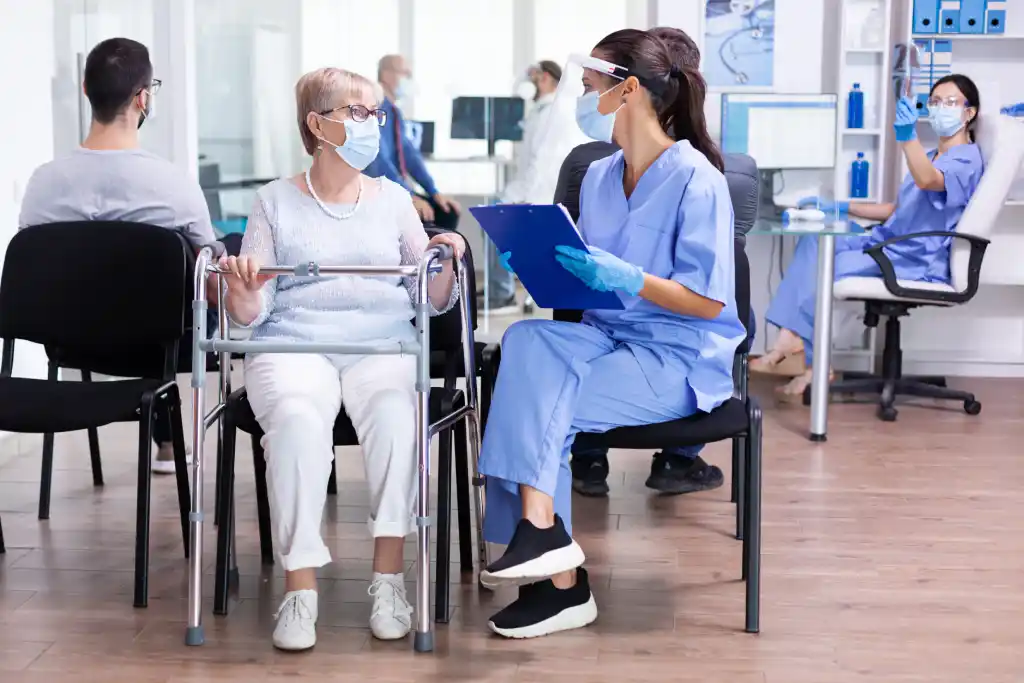
To make staff training truly effective, focus on good planning, teamwork, and consistent support. Here are a few simple ways to improve training sessions.
When staff feel confident, they perform well and deliver better care.
Regular training helps staff follow safety rules and meet care regulations.
Learning new skills creates opportunities for career success and promotion.
When staff are well trained, they provide reliable and respectful care.
Training improves teamwork and helps staff communicate clearly and effectively.
Staff training can face several challenges at times, including busy schedules, heavy workloads, and tight budgets. But with the proper steps and planning, these issues can be managed and improved.
With a heavy workload, fitting in training can be difficult. Short, flexible, or online sessions make it easier for staff to keep learning without feeling any extra pressure.
Good training isn’t always about money. The support of free online courses, shared learning and the advice from experienced team members can all help.
If training feels the same every time, staff can get bored and lose focus. Using easy, hands-on activities helps make learning more enjoyable.
Training is more effective when support is provided after the session. Regular follow-up helps staff stay current with confidence.
People learn in different ways. Using discussions, videos, and practical activities helps make training clearer and more enjoyable for everyone.

Only for £59 (was £999)
Access 400+ expert-led courses for 12 months.No hidden fees. Cancel anytime.
Get Access NowA good training programme is essential for developing confident, skilled, and motivated care staff. It brings teams together and helps them deliver the best care every day.
Start by understanding the team’s needs. Plan flexible training that fits their work routine, using group activities, online learning, and practical sessions to keep everyone engaged.
Keep track of care workers performance and ask for their feedback. It’ll help to understand what’s working well and what needs to improve.
Ongoing learning helps staff grow in confidence, build their skills, and stay motivated. It also encourages them to keep developing and doing their best at work.
With successful planning and execution, training creates a strong, confident team that provides higher-quality services.
Staff training prepares care workers with the right skills and knowledge to deliver safe, confident support.
It helps staff feel confident, work safely, and provide better quality care.
CPD (Continuing Professional Development) is ongoing learning that helps staff build new skills and grow in their roles.
Yes, regular training can help staff learn new skills and move into higher or more specialised positions.
Care staff should receive updates at least once a year to stay updated with new rules, safety practices, and care standards.
The importance of staff training in health and social care is essential, particularly with the challenges of increasing professional confidence and upgrading new skills. Training also steers them to care with professionalism and compassion.
Performance and quality of care increase when teams are nurtured towards growth. And that means every service user is guaranteed the respect, safety and humanity they deserve.
Take the first step towards a confident and rewarding career in health and social care with High Skills Training.

High Skills Training is a UK-based CPD training provider offering structured online courses and educational resources across health and social care, business administration, and professional development, supporting recognised standards and ongoing workforce development.
Get the latest insights, tutorials, and deep dives delivered to your inbox every week.
🔒 No spam. Unsubscribe anytime.
What equipment can an occupational therapist provide? From bathing aids to stairlifts, find what keeps you safe and independent at home.
View This Blog
Occupational therapy benefits explained: how it rebuilds independence, mobility and confidence for adults and children across the UK
View This Blog
Explore occupational therapy vs physiotherapy and learn key differences, shared goals, and career guidance for UK care professionals and aspiring therapists.
View This Blog
