


What Equipment Can an Occupational Therapist Provide?
What equipment can an occupational therapist provide? From bathing aids to stairlifts, find what keeps you safe and independent at home.
View This BlogSpecial Deal
£11.24Any Courses
Limited Time only


Is epilepsy a disability in the UK? Learn your legal rights, which benefits you can claim, and essential daily life management tips for epilepsy. Explore more!
Epilepsy affects around 600,000 people across the UK. Regardless of the settings, epilepsy is considered a significant concern. When it comes to linking epilepsy to disability, there is a lot to discuss. If you are expecting a straightforward answer to the question, this might not be a good decision.
So, is epilepsy a disability? Yes, it is. Under the Equality Act 2010, epilepsy is deemed a disability, but it all depends on the level. If an individual’s epilepsy is impacting their regular life, daily activities, or work life significantly, that would be considered a disability.
Yet there is a lot to dig into and discover on this topic that will help you determine the aspects and get a clear understanding of epilepsy disability. Besides, this blog will also dive deeper into the rights and what the state has to offer to those affected by epilepsy.
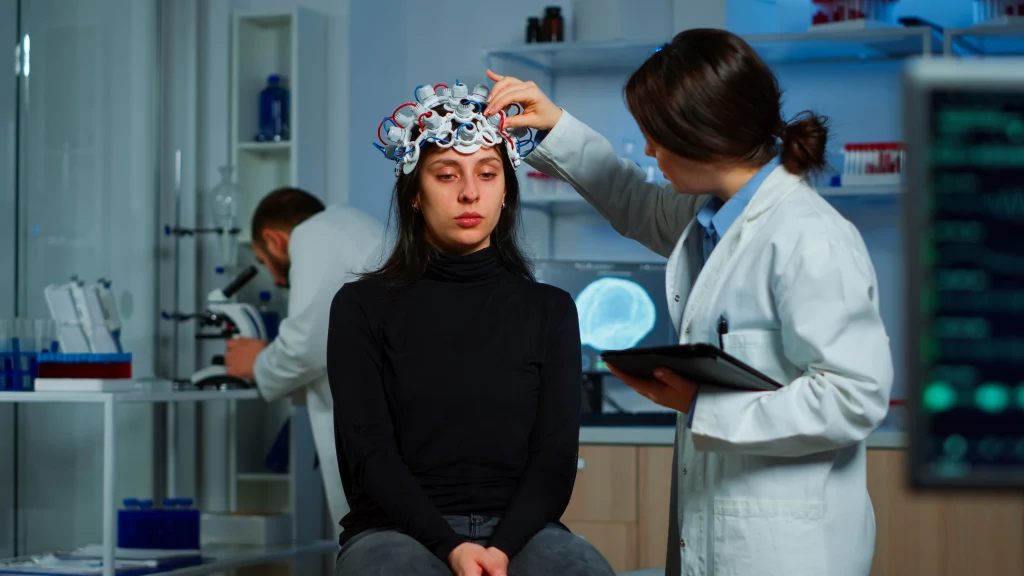
Epilepsy is a brain disorder. It results in recurring seizures from abnormal electrical activity. Seizures may cause symptoms such as convulsions, odd feelings or strange behaviours. It’s one of the UK’s most common neurological conditions.
There are many different types of epileptic seizures. Some suffer from tonic-clonic seizures, causing their body to stiffen and shake. Some people may have absence seizures, where they lose consciousness for a short period of time. Focal seizures affect just one part of the brain. Generalised seizures affect both sides of the brain.
Epilepsy is not one disease. It is a spectrum. For some, their epilepsy is well-managed through the right epilepsy treatment and medications. But others have recurrent seizures that interfere with daily life. Getting an epilepsy diagnosis is the first step in finding the right medication and ongoing epilepsy treatment.
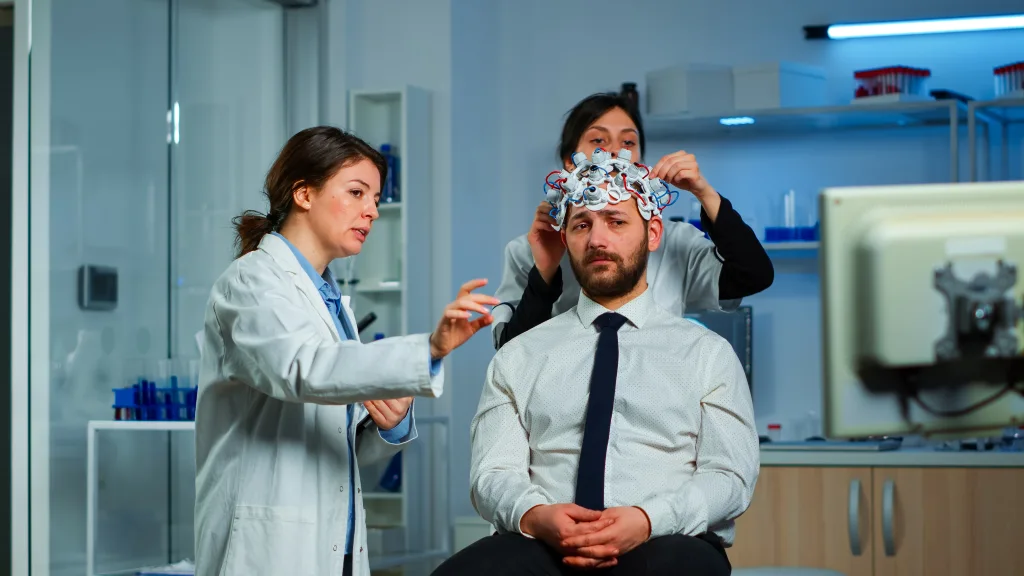
As we mentioned earlier, epilepsy is recognised as a disability in the UK. It’s covered by the Equality Act 2010. If your epilepsy severely impacts your life, you are considered to be disabled. This even applies if your seizures are not completely controlled.
It’s common for someone with epilepsy not to consider themselves disabled. This is very understandable. But the legal definition is a little different. It is not determined by your diagnosis of epilepsy. It’s determined by how the condition has impacted your everyday life.
People are affected by epilepsy in varying ways. This includes the number of seizures, triggers for seizures and side effects from epilepsy medication. Some patients experience cognitive impairment, memory loss and mental health issues. These factors can make epilepsy a debilitating neurological disorder for some people.

The Equality Act 2010 prohibits discrimination against people with disabilities. Epilepsy is one of the conditions listed as a disability. This includes the workplace, school and further education, housing and access to services in England, Scotland and Wales.
In the UK, a disability is an impairment. It must cause a person substantial and long-term difficulties in doing day-to-day activities. Long-term means it has lasted, or is likely to last, at least 12 months. This definition certainly applies to epilepsy.
Legally, epilepsy is a disability when it interferes with your daily life. This could be because you have seizures, memory loss, tiredness, or side effects from anti-seizure medications. Even if you have good seizure control on anti-seizure medication, epilepsy will be considered a disability.
There are several benefits for people with epilepsy in the UK. Some will depend on your age, work status and the impact of your condition on your life. Knowing what you are entitled to will help you get the help you need.
Here’s an overview of benefits:
The Equality Act 2010 protects people with epilepsy. This provides you with protections in the workplace and in education. You cannot be discriminated against at work and at school. This helps to give everyone with a neurological condition, such as epilepsy, the same opportunities.
Epilepsy is not a barrier to employment and education. So many people with epilepsy work and study successfully. Employers and educational organisations have a legal obligation to make adjustments. This will minimise the impact of your neurological condition on your studies or work.
The Equality Act 2010 applies to all employers in the UK. They can not dismiss you, refuse to employ you or treat you less favourably because of your epilepsy. They also have to make adjustments so you can work well in your job.
Here are your workplace rights:
Students with epilepsy should be treated equally and fairly by schools, colleges and universities. Schools, colleges and universities cannot exclude or discriminate against you because of your epilepsy. They should make reasonable accommodations to allow you to learn on the same footing as all other students.
Here are your education rights:

Managing epilepsy is more than just taking medication. There’s much you can achieve by making a few changes. It’s helpful to record your seizure triggers, sleeping patterns and your mood. This will help you feel secure, empowered and do all the things you want to do in life.
Here are essential tips for managing your epilepsy:
You can also complete an epilepsy awareness training to better understand the condition and respond confidently in emergencies.

Only for £59 (was £999)
Access 400+ expert-led courses for 12 months.No hidden fees. Cancel anytime.
Get Access NowCommon warning signs include sudden confusion, blank staring, uncontrollable jerking movements, and temporary loss of awareness. Some people also experience a strange feeling called an aura just before a seizure begins. Recognising these early signs can help keep you safer.
Poor sleep is widely considered one of the biggest seizure triggers for people with epilepsy. Other common triggers include stress, alcohol, missed medication, flashing lights, and hormonal changes. Keeping a seizure diary helps you identify and manage your own personal triggers effectively.
Seek urgent medical help if a seizure lasts longer than five minutes or the person does not regain consciousness quickly. Repeated seizures, difficulty breathing, injury during a seizure, or confusion lasting over an hour are all serious warning signs requiring immediate attention.
Memory loss after a seizure is usually temporary. Most people recover within a few hours. However, frequent recurrent seizures over a long period can sometimes cause longer-lasting cognitive impairment. Speaking to your neurologist about memory concerns is always a sensible and important step.
The four main types of epilepsy are generalised epilepsy, focal epilepsy, combined generalised and focal epilepsy, and unknown epilepsy. Each type involves different seizure patterns and affects the brain differently. Getting the right epilepsy diagnosis helps doctors choose the most effective prescribed treatment for you.
Epilepsy is protected in the UK. You have rights protected under the Equality Act 2010 at work, school or in public life. You have rights – whether your seizures are tonic-clonic or absence seizures. Understanding is epilepsy a disability is the key to getting help.
You are eligible for PIP, ESA and Universal Credit. Your workplace and school have to accommodate you. Seizure medications, epilepsy care, and a good support network can help you live a fulfilling life with epilepsy.
Remember, you are never alone in this. The right support is closer than you think, and you absolutely deserve to reach out and find it.

High Skills Training is a UK-based CPD training provider offering structured online courses and educational resources across health and social care, business administration, and professional development, supporting recognised standards and ongoing workforce development.
Get the latest insights, tutorials, and deep dives delivered to your inbox every week.
🔒 No spam. Unsubscribe anytime.
What equipment can an occupational therapist provide? From bathing aids to stairlifts, find what keeps you safe and independent at home.
View This Blog
Occupational therapy benefits explained: how it rebuilds independence, mobility and confidence for adults and children across the UK
View This Blog
Explore occupational therapy vs physiotherapy and learn key differences, shared goals, and career guidance for UK care professionals and aspiring therapists.
View This Blog
