


What Equipment Can an Occupational Therapist Provide?
What equipment can an occupational therapist provide? From bathing aids to stairlifts, find what keeps you safe and independent at home.
View This BlogSpecial Deal
£11.24Any Courses
Limited Time only


Explore occupational therapy vs physiotherapy and learn key differences, shared goals, and career guidance for UK care professionals and aspiring therapists.
Planning a career in care? At some point, this question comes up. Occupational therapy or physiotherapy, which one’s actually right for you? Both jobs help people rebuild their lives, but they go about it in completely different ways. Even people already working in the field sometimes struggle to explain how.
So, what’s the difference between occupational therapy vs physiotherapy? Occupational therapy helps people manage daily tasks and live independently. Physiotherapy focuses on restoring movement, strength, and physical function after injury or illness. Both professions support recovery, but their training and daily focus differ clearly.
This guide walks through what each role actually involves, plus where the two overlap and work side by side. Read to the end, and you’ll have a much clearer sense of which path fits you.
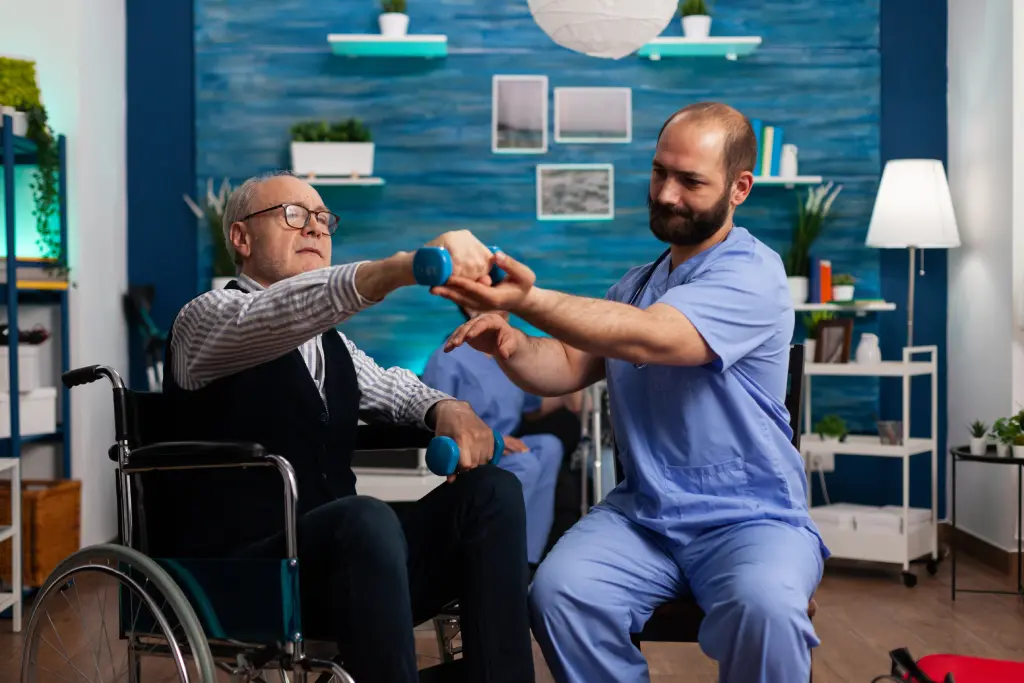
Occupational therapy (OT) helps people carry on with everyday life despite illness, injury, or disability. Think dressing, cooking, getting to work. It’s practical, hands-on stuff. OTs work with people of every age, keeping them safe and independent at home, at work, and out in the community.
It’s not really about the condition itself. An OT looks at what that condition changes day to day, then figures out how to help from there. Sometimes that’s new equipment. Sometimes it’s a change to someone’s home, or just a smarter way to do an old task. The HCPC regulates training standards for this work, and the Royal College of Occupational Therapists accredits courses right across the UK.
An occupational therapist starts by looking at how a condition gets in the way of daily life. From there, they build a plan to help someone get their independence back. Teaching new skills, recommending equipment, adjusting a home or workplace, it depends entirely on the person. OTs work across illness, injury, disability, and mental health, often within the same week.
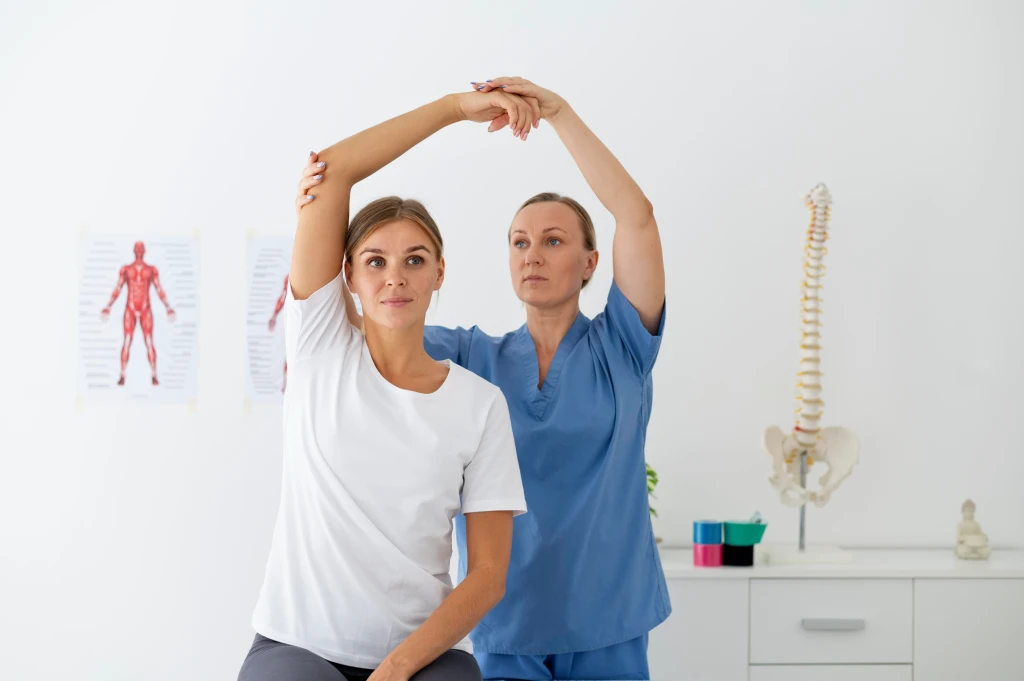
Physiotherapy (PT) is all about movement. It helps people rebuild strength and function after injury, illness, or surgery, working on problems in the muscles, joints, bones, and nervous system. PT covers every age group, aiming for less pain, better mobility, and fewer injuries down the line.
Hands-on treatment sits right at the centre of PT. So does exercise. So does movement work. A typical plan might mix stretching, strength building, and manual therapy, shaped around whoever’s in front of them that day. The Chartered Society of Physiotherapy sets the standards physios follow, whether they’re in the NHS, a sports club, or private practice.
A physiotherapist checks how someone moves, then builds a plan to restore strength and mobility. Exercise, manual therapy, and movement techniques are all aimed at easing pain and improving function. Recovery from surgery, sports injuries, long-term conditions, or neurological problems and PT covers all of it.
So what actually separates the two? OT is about helping someone manage daily life and stay independent, no matter what illness or disability they’re facing. PT is about rebuilding movement, strength, and function. Recovery’s the goal for both. How they get there couldn’t be more different.
Funny thing is, rehab and quality of life pull these two fields together constantly, even though they’re tackling it from opposite directions. One person’s OT plan won’t look anything like their PT plan, and that’s the point. Care professionals who get this can point someone toward the right support instead of just whatever’s free that week.
| Aspect | Occupational Therapy | Physiotherapy |
| Main focus | Daily living skills and independence | Movement, strength, and physical function |
| Common methods | Adaptive techniques, equipment, environment changes | Exercise, manual therapy, movement training |
| Typical settings | Homes, schools, workplaces, community care | Hospitals, clinics, sports settings, gyms |
| Who they help | People with illness, injury, disability, or mental health needs | People recovering from injury, surgery, or chronic conditions |
| Regulatory body | Health and Care Professions Council (HCPC) | Health and Care Professions Council (HCPC) |
| Professional body | Royal College of Occupational Therapists (RCOT) | Chartered Society of Physiotherapy (CSP) |

For all the differences, there’s more overlap here than people expect. Independence, less pain, recovery after illness, injury, or surgery, both fields are chasing the same outcomes. And both start the same way too: proper assessment first, a treatment plan built around real goals second.
It doesn’t stop there either. OTs and physios often sit in the same team, working across hospitals, community care, and rehab settings. Updates get shared regularly so care doesn’t feel scattered. At the end of the day, they want the same thing, really, people feeling confident and capable again.
Where the overlap really shows up:
Recovery tends to go better when OTs and physios actually work as a team, not just in parallel. Often they’re looking after the same person from two angles at once, one on daily function, one on physical movement. That combined approach closes gaps in care and speeds the whole thing up.
Working together really just means talking. About progress, about what’s changing, about what’s next. OTs and physios often sit in on the same case reviews and keep notes in one shared record. That’s what keeps treatment consistent, whether someone’s on a hospital ward, in a rehab unit, or back home in the community.
Plan together from day one and things line up better. Physical recovery goals end up matching daily living goals, like getting dressed or cooking dinner. Fewer repeat assessments. Sharper, more focused care.
Case reviews give OTs and physios a chance to compare notes on progress and setbacks. Keeps both working toward the same milestones instead of drifting apart. Good communication also flags when someone needs extra support from either side, sooner rather than later.
Stroke and serious injury recovery usually needs both physical and functional rehab happening at once. Physios rebuild strength and movement. OTs turn that progress into everyday skills people can actually use. Together, people get back to independent living faster and more safely than either profession managing alone.
Knowing what each role actually does helps care professionals point people toward the right support sooner. Spotting the signs someone needs OT or physio input cuts delays, and stops people slipping through the cracks. That kind of knowledge builds trust with the people you support every single day.
It doesn’t stop at referrals either. Understanding both roles makes teamwork stronger across every setting, from care homes to community services. Care professionals are often the first to notice when someone’s struggling with daily tasks or movement, long before anyone else clocks it. Knowing when to bring in an OT or physio keeps care joined up, and actually working the way it should.
Developing your OT and PT knowledge requires structured learning, evidence-based research and relevant training. These will help care professionals build sharper judgement and respond to daily challenges with more assurance. This combination builds real skill and readiness for supporting recovery in practice, both in clinical settings and daily care work.

Only for £59 (was £999)
Access 400+ expert-led courses for 12 months.No hidden fees. Cancel anytime.
Get Access NowNeither one beats the other; they’re just built for different jobs. It really comes down to what a person actually needs at that point in their recovery or daily life, not which profession sounds more impressive.
Yes, though it takes a fresh degree, since OT and physiotherapy run as entirely separate HCPC-approved qualifications. Plenty of OTs do make that switch through further study. Some skills carry over, but full physiotherapy training is still non-negotiable.
Very much so. Occupational therapy has sat on the UK Shortage Occupation List since 2019, and some regions are seeing vacancy rates touch 40% in certain services. Anyone considering this path is stepping into genuine, ongoing demand.
Occupational therapy vs physiotherapy involves two complementary healthcare professions with different priorities. Occupational therapy supports daily activities and independence while physiotherapy focuses on movement, strength, mobility, and physical function during recovery. Together, they help people regain confidence in everyday life.
Understanding these roles helps care professionals recognise different needs more clearly. It supports appropriate referrals and stronger teamwork across care settings. This leads to more coordinated care across healthcare and rehabilitation services.
Before starting a career in healthcare or care, understanding both OT and PT helps you recognise their different roles. This knowledge can help you explore suitable career paths and understand multidisciplinary healthcare practice.

High Skills Training is a UK-based CPD training provider offering structured online courses and educational resources across health and social care, business administration, and professional development, supporting recognised standards and ongoing workforce development.
Get the latest insights, tutorials, and deep dives delivered to your inbox every week.
🔒 No spam. Unsubscribe anytime.
What equipment can an occupational therapist provide? From bathing aids to stairlifts, find what keeps you safe and independent at home.
View This Blog
Occupational therapy benefits explained: how it rebuilds independence, mobility and confidence for adults and children across the UK
View This Blog
An overview of the common nail diseases and disorders in the UK, covering their causes, prevention measures and the professionals who diagnose and treat...
View This Blog
