




Explore poultry farming business plan with step-by-step guidance on UK startup costs, licensing, farm types, and profit margins to launch your farm. Read more.
Starting a poultry farm in the UK is one of the most rewarding agricultural ventures you can pursue. But jumping in without a clear roadmap is a costly mistake. Whether you want to raise broilers or produce free-range eggs, you need a solid plan before spending a single penny.
A poultry farming business plan is a written document that outlines your farm goals, costs, and operations. Think of it as your farming roadmap. It covers everything from flock size to expected cost. It also helps you secure funding from banks and investors with confidence.
This guide walks you through every step you need to take. From choosing your farm type to writing a financial plan, you will find it all here.
What is a Poultry Farming Business Plan?
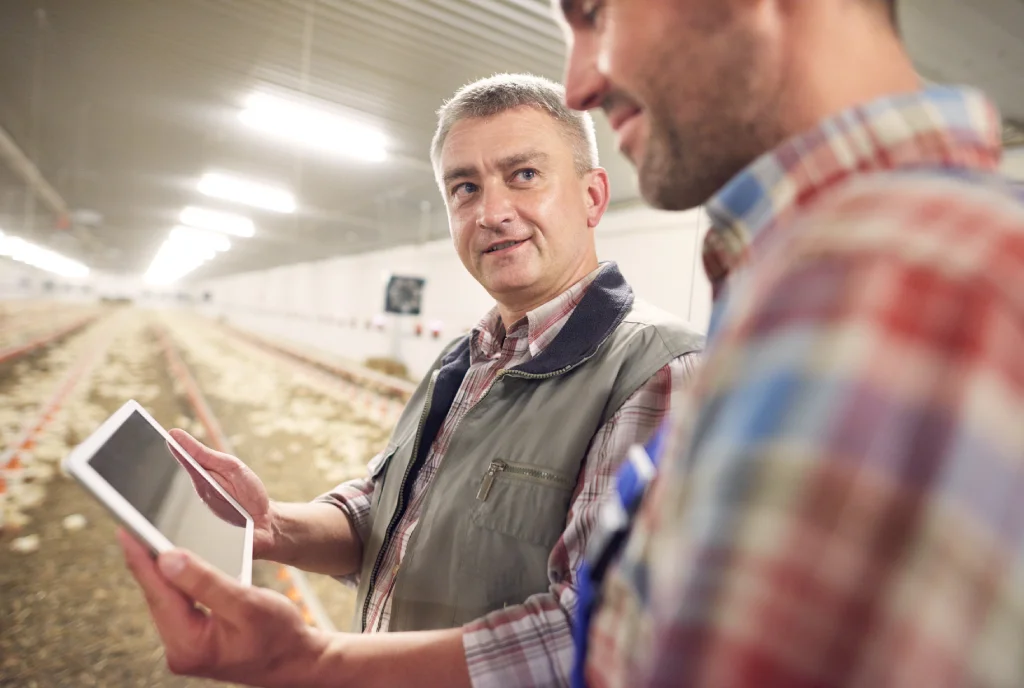
A poultry farm business plan is a formal document that guides every decision you make on your farm. It defines your goals, maps out your costs, and sets a clear direction for your poultry farming business. Without it, you are simply guessing from day one.
Think of it like a blueprint before building a house. You wouldn’t lay a single brick without one. The same thinking applies here. A strong plan separates serious poultry farming owners from those who struggle to get off the ground.
It covers everything a lender or investor needs to see. Your target market, operations plan, marketing plan, financial plan, and production cycle all sit inside one document. It gives your poultry farm company a professional foundation that builds trust with banks and funding bodies.

Types of Poultry Farming Businesses in the UK
Before starting a business, you need to understand what type of poultry farming fits your situation. The UK has several different models, and each one carries its own costs, land needs, and earning potential. Getting this wrong early on is an expensive lesson nobody wants to learn.
You need to choose wisely what you actually want from your farm. Some people raise chickens for meat, some keep hens purely for eggs, and others supply day-old chicks to bigger operations nearby. So, understanding the types is essential before writing your poultry farm business plan.
Broiler Farming
Broiler farming is pretty straightforward. You raise chickens for meat for roughly 46 to 56 days, then sell them. Restaurants, takeaways, and food processors across the UK buy consistently, which is why so many new poultry farmers start here first.
Layer Farming
Layer farming revolves around egg production. Hens start laying at around 17 weeks and continue for roughly 52 weeks. Depending on your flock size, you can sell fresh eggs to local shops, supermarkets, or directly to customers who come to your farm.
Free-Range Farming
Free-range means your birds get outside during the day. People pay more for free-range eggs and meat without much hesitation. If you have land available and want healthier margins, honestly, free-range deserves a good look before you settle on anything else.
Organic Poultry Farming
Organic goes a step beyond free-range. Birds must eat certified organic poultry feed and live under strict welfare conditions throughout. This will increase your feed costs, but customers looking for organic things can pay more. It works well for farmers targeting a premium end of the market.
Rearing Pullet
Pullet rearing is simply growing young hens from day-old chicks until they are ready to lay, then selling them on to layer farms. It is less risky than running a full laying operation, and honestly, a decent option if you are starting out with limited land.
Hatching and Breeding
This one suits people who would rather supply other farmers than manage a full farm themselves. You keep a breeding flock, hatch the eggs, and sell day-old chicks to broiler or layer farms nearby. Keep the temperature stable, the setup right, and the income follows.
Key Components of a Poultry Farm Business Plan
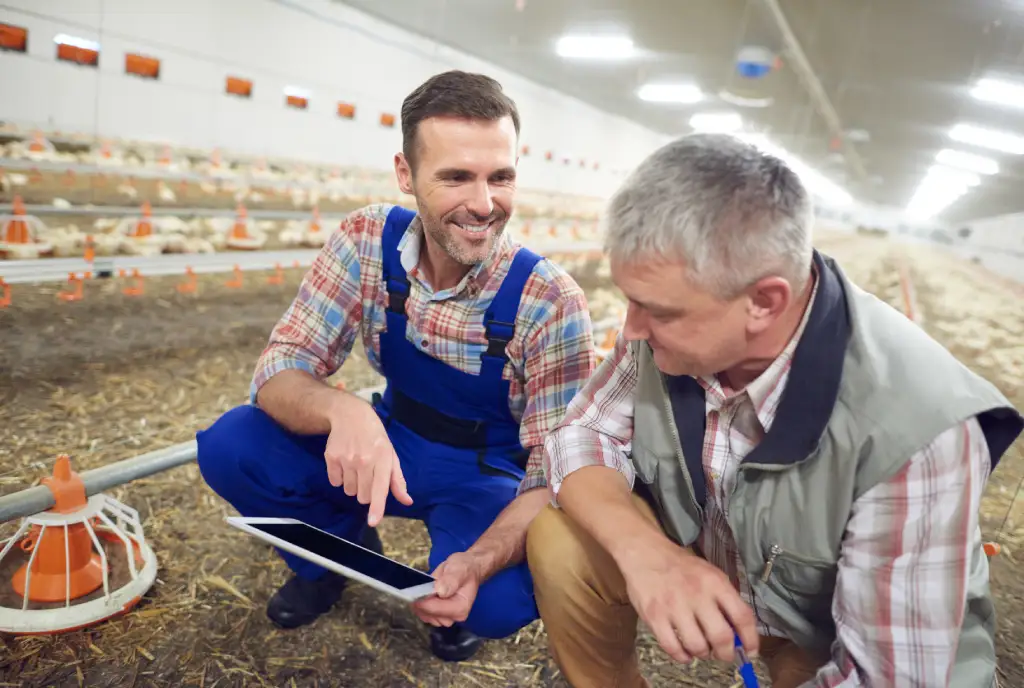
Every successful poultry farm starts with a well-structured business plan. Without the right sections in place, your plan falls flat when it matters most. Whether you are applying for a bank loan or planning your first flock, getting these components right makes a real difference.
A business plan for poultry farming is not something you throw together overnight. Each section serves a purpose, and skipping even one can cost you. Lenders and investors notice gaps immediately, no matter how strong your actual farming idea is on paper.
Executive Summary
Think of this as your elevator pitch on paper. It tells lenders who you are, what your poultry farm does, and what you need from them. Write it last but place it first. A weak executive summary loses the reader before they even get started.
Business Overview
Keep this simple and factual. What type of poultry farming are you doing? Where is your farm, and how is your business set up legally? A business overview helps to understand your plan and what they are dealing with before diving deeper into the details.
Operations Plan
This is where you explain how your farm runs day-to-day. Talk through your poultry housing, flock size, feed management, production cycle, and how many staff you need. Anyone reading this should come away with a clear picture of how things actually work on your farm
Marketing Plan
Who are you selling to and how are you reaching them? Cover your pricing, your sales channels, and how you plan to move your poultry products consistently. Without a clear route to market, even the best farming setup struggles to turn a reliable profit week after week.
Financial Plan
Lenders will spend the most time here, so get it right. Break down your startup costs, weekly feed costs, running expenses, and realistic income projections. Do not dress the numbers up. Experienced agricultural lenders spot over-optimistic figures quickly, and it damages your credibility straight away.
Startup Costs and Profit Potential
The first thing most people want to know is how much this is actually going to cost them. And the honest answer is, it varies depending on different factors. Your farm type, flock size, land situation, and whether you are building from scratch all play a role in the final figure.
Profit in UK poultry farming is achievable, but nobody gets rich in the first few months. Your margins come down to what you are producing, how well you control your feed costs, and who you are selling to. Free-range and organic setups tend to earn more per unit than standard intensive operations.
Typical Startup Costs to Consider:
- Land and property: Buying or leasing farmland is usually your highest upfront cost by far.
- Poultry housing: Building or fitting out poultry houses costs anywhere between £15,000 and £150,000.
- Equipment: Feeders, drinkers, ventilation, and lighting all add up quickly across your entire setup.
- Day-old chicks or pullets: Initial bird stock costs vary depending on your chosen farming type and flock size.
- Poultry feed: Feed costs are your largest ongoing expense throughout every single production cycle.
- Licences and registrations: APHA registration and other legal requirements carry their own costs worth budgeting for.
- Utilities: Heating, water, and electricity bills run consistently high in poultry farming operations year-round.
- Labour: Hiring experienced staff adds a high weekly cost, depending on your farm size.
Realistic Profit Expectations:
- Broiler farming: Profit margins are slim, but volume and fast production cycles keep income flowing regularly.
- Layer farming: Steady egg production income with free-range eggs fetching noticeably higher prices per dozen.
- Free-range and organic: Higher selling prices improve margins considerably but come with greater feed and certification costs.
- Pullet rearing: Lower overhead costs make this a manageable and reasonably profitable entry point for beginners.
Licensing, Regulations, and Legal Requirements in the UK
Getting your licensing and legal requirements sorted early saves you a serious headache down the road. The UK has clear rules around poultry farming, and ignoring them is not an option. Get this wrong, and you risk fines, shutdowns, or being refused the funding you need.
Most new poultry farmers are surprised by how much paperwork is actually involved before a single bird sets foot on their land. It is not there to make your life difficult. These regulations exist to protect animal welfare, food safety, and the wider farming community across the UK.
Key Licences and Registrations:
- APHA Registration: Required if you keep more than 50 birds on your land in Great Britain.
- Great Britain Poultry Register: All flocks over 50 birds must be registered through the APHA directly.
- DAERA Registration: Required for poultry farmers based in Northern Ireland instead of APHA registration.
- Hatchery Registration: Needed if your incubation capacity exceeds 1000 eggs or you breed 250 or more birds.
- Laying Hen Registration: Required when your establishment houses more than 350 laying hens at any time.
- Environmental Permit: Larger farms must obtain this from the relevant environmental body in their region.
- Food Business Registration: Required if you sell, store, or prepare eggs or poultry meat for public consumption.
General Regulations to Know:
- Marking Regulations: All Class A eggs must carry an identifying code showing source and production method.
- Marketing Standards: Strict rules govern the timeframe within which eggs can legally be offered for sale.
- Environmental Protection Act: You are legally responsible for storing and disposing of farm waste properly.
- Feed Regulations: Mixing feed on your land means registering with your local Trading Standards department.
- Animal Welfare Standards: All poultry must be kept and handled in line with current UK welfare legislation.
Risks and Challenges in Poultry Farming
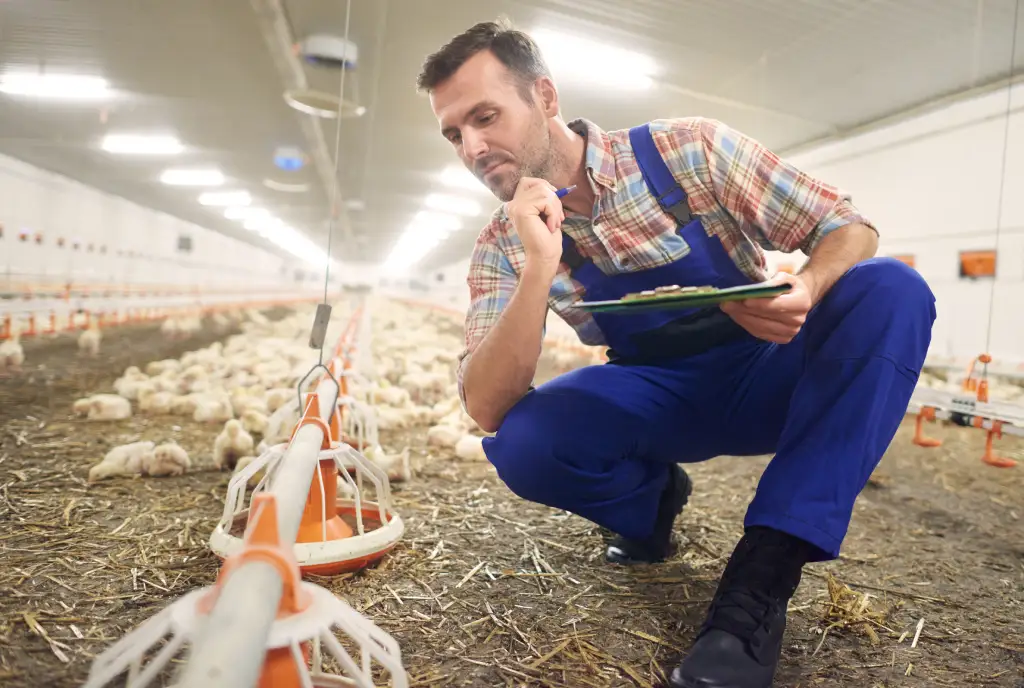
Every poultry farmer faces risks, and pretending otherwise will set you up for a nasty shock somewhere down the line. Understanding what can go wrong before you start is not being negative, it is being realistic. The farmers who last are simply the ones who plan ahead.
No poultry farm runs all the time smoothly and yours will not be any different. Disease, climbing costs, and unpredictable markets can all land at once if you are caught off guard. Knowing what is coming gives you a much better chance of keeping your farm standing strong.
Key Risks and Challenges to Prepare For:
- Disease outbreaks: Bird flu and other infections can wipe out your entire flock frighteningly fast.
- High feed costs: Feed prices shift constantly and this hits your margins harder than almost anything else.
- Mortality rates: Losing birds unexpectedly throws your income projections and financial plan completely off track.
- Market price fluctuations: Egg and poultry meat prices move regularly and you have very little control over them.
- Strict regulations: UK poultry rules change and staying compliant takes genuine time, effort, and money.
- High startup costs: Poultry housing and equipment do not come cheap and take a good while to pay back.
- Weather and climate: Extreme temperatures affect bird health, egg production, and your farm output more than you might expect.
- Labour shortages: Finding decent, reliable staff in rural areas is harder than most new farmers anticipate.
- Cash flow pressure: Income can be patchy in the early months and managing cash flow carefully is absolutely essential.
- Biosecurity failures: Letting biosecurity slip even slightly puts your whole flock at serious and costly risk.
Tips for Running a Successful Poultry Farm
Running a successful poultry farm takes more than buying birds and crossing your fingers. The farmers who actually build something worthwhile are the ones who stay organised, keep learning, and treat the whole thing like a real business rather than something they are just trying out.
There is no secret formula, but certain habits genuinely separate struggling farms from thriving ones. Whether you are just getting started or have been at it for a few months, these tips will help you dodge the common mistakes and keep your poultry farming business heading in the right direction.
Essential Tips to Keep Your Farm on Track:
- Start with a solid business plan: Know your costs, your target market, and your sales strategy before spending anything.
- Keep biosecurity tight from day one: Good biosecurity habits early on protect your flock and your entire income stream.
- Monitor feed conversion ratio closely: Knowing how efficiently your birds convert feed into growth saves you real money.
- Track everything financially: Log every cost and every sale weekly so you always know exactly where you stand.
- Build relationships with buyers early: Securing trade buyers before your first flock is ready removes a lot of unnecessary stress.
- Invest in good poultry housing: Proper ventilation, heating, and space directly impact bird health and your overall production output.
- Stay on top of regulations: UK poultry rules change and missing an update can land you in serious trouble fast.
- Join a farming network: Connecting with other poultry farmers gives you access to advice, support, and industry knowledge you simply cannot buy.
- Plan for unexpected costs: Something always goes wrong at some point, so keep a financial buffer ready at all times.
- Review your performance regularly: Look at what is working and what is not every single month without fail.
- Invest in training and continuous learning: Enrol in poultry training to improve bird health, biosecurity, and farm management.

Full-Year Premium Access
CPD Courses + Free Certifications
Only for £59 (was £999)
Access 400+ expert-led courses for 12 months.No hidden fees. Cancel anytime.
Get Access NowFrequently Asked Questions (FAQ)
How much does it cost to start a poultry farm in the UK?
Startup costs vary quite a bit depending on your farm type and size. A small setup can cost anywhere from £15,000 to £50,000, while larger commercial operations run into hundreds of thousands. Land, poultry housing, equipment, and your first flock of birds are your biggest upfront expenses to budget for.
What grants and funding are available for poultry farmers in the UK?
Several funding options exist for UK poultry farmers. The Farming Investment Fund, Rural Development Programme, and Countryside Stewardship scheme are worth exploring. Some regional grants are also available depending on where your farm is located. Always check the GOV.UK website for the most current and up-to-date funding opportunities available.
Can I start a poultry farm on a small plot of land in the UK?
Yes, you can start small and still run a viable poultry farming business. Pullet rearing and small-scale egg production are both well-suited to limited land. The key is matching your farming type to your available space and making sure your setup meets all current UK regulatory requirements before you begin
Do I need any qualifications or experience to start a poultry farm?
No formal qualifications are legally required to start a poultry farm in the UK. However, practical knowledge of bird health, feed management, and biosecurity makes a real difference. Taking a short poultry farming course or working on an existing farm first gives you a much stronger foundation before investing your own money.
How long does it take for a poultry farm to break even?
Most poultry farms take anywhere from two to five years to break even, depending on farm type, startup costs, and how well the business is managed. Broiler farms with faster production cycles tend to recover costs more quickly than layer farms. A realistic financial plan helps you clearly understand your specific break-even timeline.
Conclusion
Poultry farming in the UK genuinely rewards the people who bother to plan properly before diving in headfirst. A solid poultry farming business plan is honestly what stands between farmers who struggle and those who build something they are actually proud of years down the line.
Sort your costs, get your regulations in order, pick the farming type that suits your situation, and build on honest and realistic numbers. Wishful thinking falls apart fast when the first difficult month hits.
Yes, the paperwork feels like a lot at first. The startup costs can sting too. But farmers across the UK have started from scratch and made it work. With the right plan, there is no reason you cannot do exactly the same thing.

