




HACCP Verification Procedures: Detailed Discussion
Learn about HACCP Verification Procedures, their role in food safety, and how they ensure compliance by monitoring and validating HACCP plans effectively.
View This BlogSpecial Deal
£11.24Any Courses
Limited Time only


Your overall safety truly depends on safety rules in the kitchen. So, learn, save yourself, and others.
The kitchen is one of the most important places in every home and workplace. But it may be one of the most hazardous places if the safety rules are ignored. Any slight error can result in a serious accident. Even if it may cause death. So, the safety practices in the kitchen are essential for protecting people, food, and property.
Essential safety rules in the kitchen mean some safety rules for keeping a kitchen safe, and also creating a hazard-free cooking environment. It also gives guidelines about using the correct cookware for the job, keeping your work area clean, maintaining proper hygiene standards, and being aware of potential hazards like sharp knives, hot stoves, and slippery floors.
In this blog, we’ll discuss best practices for staying safe and compliant. We also discuss personal hygiene and equipment handling, as well as fire prevention, cleanliness and more. These essential safety rules will guide you toward a healthier and more secure kitchen environment.

Practising kitchen safety is very crucial for everyone. It refers to a set of practices and precautions for the proper use of cookware. It also protects people and food from harm while preparing, cooking, and serving meals.
Food safety and hygiene measures are closely connected with kitchen safety. It is about preventing contamination and foodborne illness. You can get a proper knowledge of how to maintain proper cleaning, safe food storage, and correct cooking temperatures.
Whether you’re preparing meals at home or for others, a clean and organised cooking environment ensures that you can cook confidently and efficiently. The safety knowledge also helps you to prevent injuries, reduce risks, and maintain proper hygiene standards.
Kitchen safety rules are important for everyone. Because we cook or prepare meals for ourselves in the kitchen regularly. Any accidents can occur at any time in the kitchen. But if one knows some kitchen hygiene rules, they can prevent kitchen accidents and injuries like burns, cuts, slips, and fires, which can occur quickly in kitchens.
The hygiene rules also play a fundamental role in preserving hygiene in food and preventing contamination. So it will be beneficial for you to complete a food hygiene safety training, which gives you an in-depth understanding of preserving food hygiene and preventing contamination.
Proper safety practises will guarantee that food is handled, stored, and cooked in a proper manner, ensuring to minimise the risk of food poisoning and safeguard the health of consumers.
Also, kitchen safety regulations lead to a more orderly, effective and compliant workplace. The smooth running of kitchens, minimisation of stress and legal and hygiene standards, particularly in professional food premises, are all ensured when safety procedures are observed.

The main concepts of Kitchen sanitation are cleanliness and hygiene. Kitchen sanitisation is aimed at the prevention of food contamination and foodborne diseases by ensuring that there is appropriate cleaning, sanitisation of surfaces and equipment, safe food storage and personal hygiene. Sanitation helps to safeguard the quality and safety of the food under preparation.
Kitchen safety refers to appropriate steps and procedures being taken to avoid harmful conditions, which may result in accidents, injuries, or damages. This involves the proper utilisation of equipment, precaution when touching hot surfaces, avoiding burns, cuts, slips, falls, fire and electrical risks. It also facilitates safe working, proper use of equipments and knowledge of hazards in the kitchen.
The kitchen contains a number of rules that can be used to keep the kitchen safe, preventing accidents, injuries, and health hazards that may arise in the kitchen. Kitchens may be clean, organised and safe as long as individuals just observe simple safety measures.
A clean and organised workspace reduce way of slips, falls, and trips. You should keep floors dry and walkways clean. Because a slippery floor may cause harm. So, it is good to keep the right tools and ingredients in the right place. It will ensure a safe and efficient kitchen environment.
Always use kitchen equipment in accordance with the instructions provided by the manufacturer. You should ensure that you look after the cords and plugs by checking them regularly.
Make sure that the use of the apparatus is not near water, and of course, turn it off when not in use. Safe handling should be a habit, and this will eliminate accidents and electrical shocks that are caused by equipment.
If hot surfaces are not handled carefully, it will cuase give serious burns. So be conscious of stoves and ovens, as they help prevent fires and injuries. You should also use oven gloves, keep flammable items away from hot sources, and never leave cooking without complete fully.
The use of the blades and sharp tools should be done carefully and with caution. Different activities require the use of different knives or knives in general. You are not expected to keep knives near your body and put your blades in a place where you do not need them. Handling knives correctly will prevent the possibility of being cut and injured.
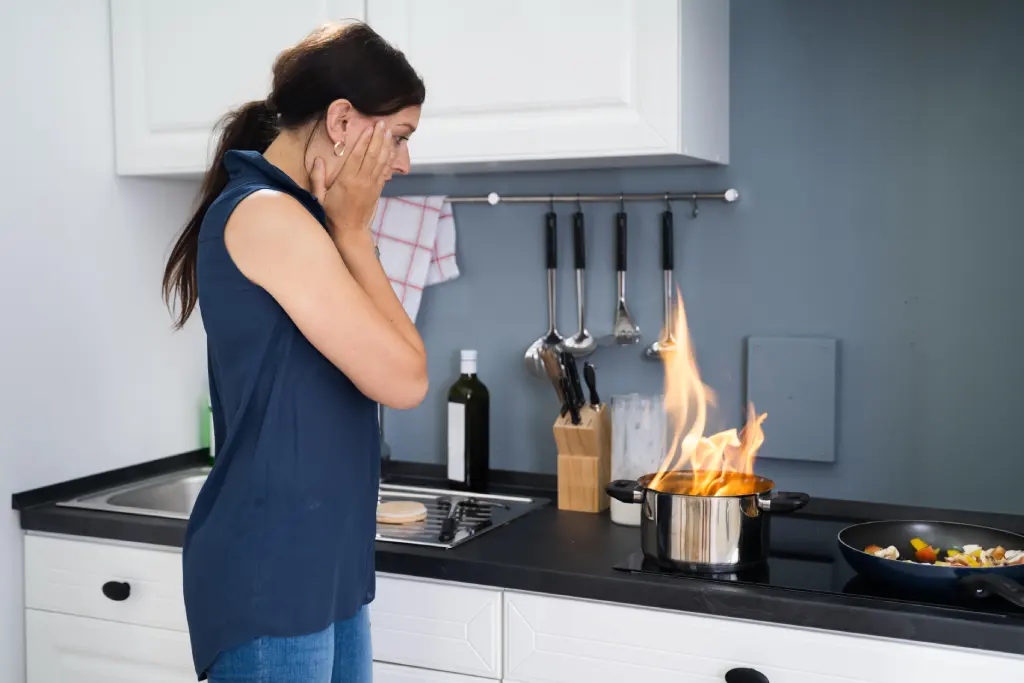
Fire safety is a big issue in any kitchen. You must then make sure you have the fire extinguishers and fire blankets at hand and have knowledge of how to operate them. When you are ready to handle a crisis situation in your kitchen, you can avoid small accidents turning into huge catastrophes.
The kitchen surface would be appropriately ventilated. Proper ventilation in kitchens has several advantages. A significant benefit of kitchen ventilation is to remove smoke, heat, or hazardous vapours from the kitchen. Kitchens should be well ventilated by utilising exhaust fans or windows.
Following the kitchen hygiene and safety rules helps you to avoid any unwanted accidents. Although there is no limitation on kitchen safety rules, the most popular top 10 kitchen safety rules are given step by step:
We do everything with our hands. Always wash your hands properly using soap and warm water as a chef. Before and after touching food, particularly raw food, you must wash your hands. It prevents the dispersion of germs.
Always remember that meat, poultry, seafood and other foods need to be cooked at the correct temperature. Food cooked at the correct temperature can be used to kill the bad bacteria and ensure the food is safe to consume.
You must also know something about how to freeze food at the correct temperature. It keeps your chilled or frozen food safe and sound for a long period. The correct temperature would also keep your leftover foods free of contamination and spoilage.
You will have to retain different chopping boards, knives and utensils to handle raw and cooked foods since Raw food has varied bacteria. Being different is to ensure that there is no transfer of bacteria by maintaining different tools.
Bacteria stay everywhere in the kitchen. It may also hide in board grooves, so wash and sanitise them after every use. You should again clean the board before starting to cut food, vegetables and others.
You should check and monitor your freeze regularly. Then, wipe shelves and remove expired or spoiled food weekly to keep your fridge hygienic. It will also keep your food safe.
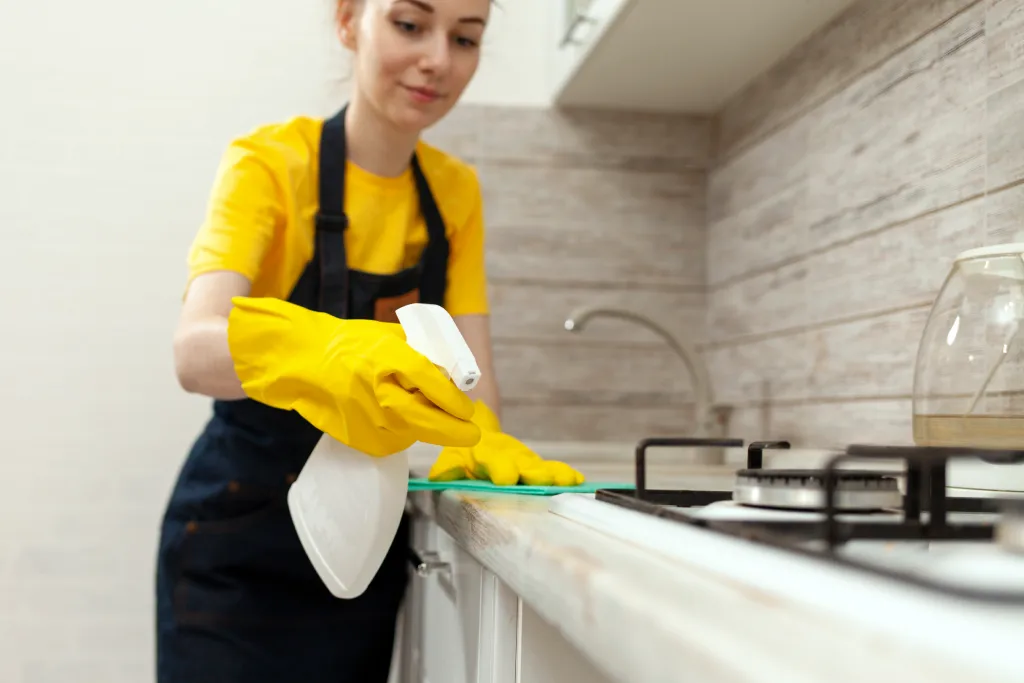
If your kitchen sink gets dirty, clean it fast. You should wash them daily to ensure that the bacteria do not spread to dishes and food items, and that the hygiene remains proper.
When you prepare food, clean all work surfaces to remove spills, crumbs and germs that can cause contamination.
The cleaning of your kitchen bin is highly essential. When you clean your kitchen bin, it prevents foul odour and bacterial accumulation that causes the area to be bad and unclean.
Grease traps grime and bacteria, so remove greasy layers before sanitising surfaces to keep everything hygienic.
Children and pets are inconsolable. They don’t have any knowledge about the various harmful effects or risks of a kitchen. They may cause an accident in the kitchen. So you should be careful about their safety issues. To keep them safe, you should follow this guidance:
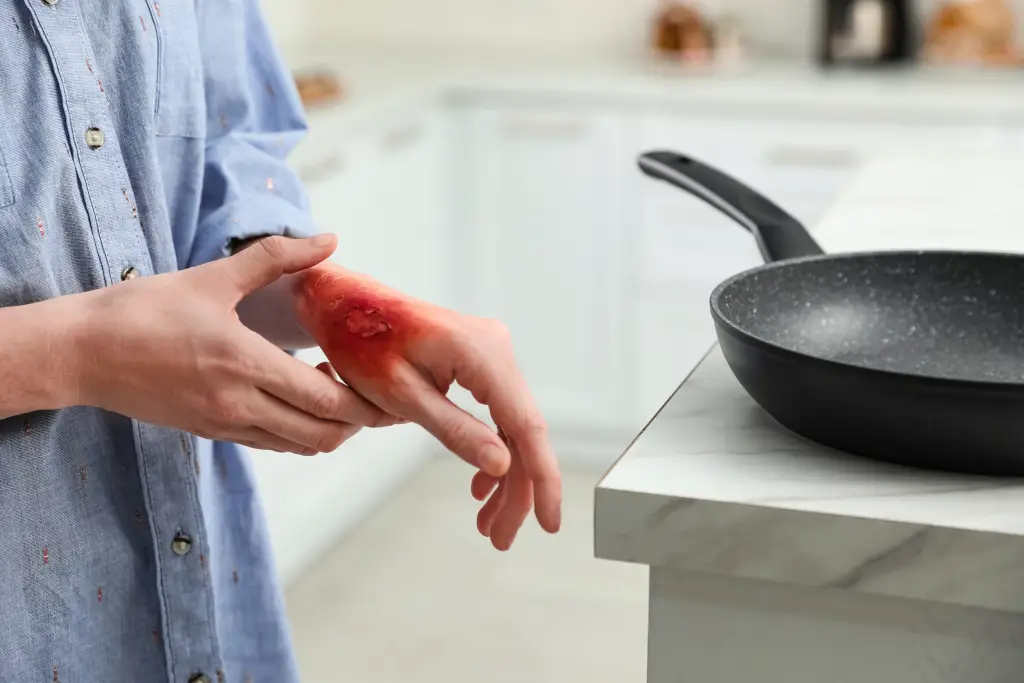
Keeping yourself safe is the most important priority in the kitchen. Because a single mistake can lead to serious consequences that can harm both you and those who are beside you. There are so many personal safety rules, some of them are:

Only for £59 (was £999)
Access 400+ expert-led courses for 12 months.No hidden fees. Cancel anytime.
Get Access NowThe most common kitchen hazards are: knife cuts, burn hazards, injury from machines, slips, trips and falls, lifting injuries, head & eye injuries, crowded workspace risks, chemical hazards, fire hazards, and electric shock.
The four C’s of cooking are important for safety in the kitchen. The 4 C’s are – Cleaning, Cooking, Chilling, and Cross-contamination Prevention.
There are so many safety rules. But the 5 basic kitchen safety rules are: keep clean in the kitchen or cooking areas, keep kids away from the kitchen, keep a fire extinguisher nearby, wear tight clothes, and keep your cooking area free of flammable materials.
Kitchen safety practices should be reviewed regularly, especially when new equipment is introduced or when cooking habits change, to ensure ongoing compliance with essential safety rules.
A kitchen is a busy and important place. But it poses great dangers when safety measures are ignored. So, awareness of safe handling of equipment, hot surfaces, and hygiene practices is essential to prevent accidents and foodborne illnesses.
Following safety rules in the kitchen ensures that both people and food are safe. Proper handwashing and adherence to other safety regulations can assist in reducing risks and provide a controlled and safe cooking environment. Their constant use leads to minimised accidents and a well-run kitchen.
Kitchen safety is an essential consideration that helps all people to promote general safety. Cleaning, paying attention to hazards and adhering to these tips can make your cooking experience enjoyable as you can be sure that your kitchen is a safe and healthy place for both you and your loved ones.

High Skills Training is a UK-based CPD training provider offering structured online courses and educational resources across health and social care, business administration, and professional development, supporting recognised standards and ongoing workforce development.
Get the latest insights, tutorials, and deep dives delivered to your inbox every week.
🔒 No spam. Unsubscribe anytime.
Learn about HACCP Verification Procedures, their role in food safety, and how they ensure compliance by monitoring and validating HACCP plans effectively.
View This Blog
