




What Is the Most Painful Stage of Sores?
Stage 2 isn't always most painful. Discover which stage of pressure sores and cold sores actually hurts most, and how to manage it.
View This BlogSpecial Deal
£11.24Any Courses
Limited Time only


What is a home gas safety check? Discover what it covers, annual rules for landlords, typical UK costs, and why it protects your household.
Most gas faults build slowly through corroded fittings and worn seals. An annual gas safety check catches them early, and a carbon monoxide alarm protects you the rest of the year.
So, what is a home gas safety check? It is an inspection of your gas appliances, pipework and flues by a Gas Safe registered engineer. The check confirms everything works safely, and identifies faults or leaks before they become dangerous.
In this blog, you will learn what a gas safety check involves, the risks of unsafe appliances, whether you need one every year, and what it costs. Explore more!
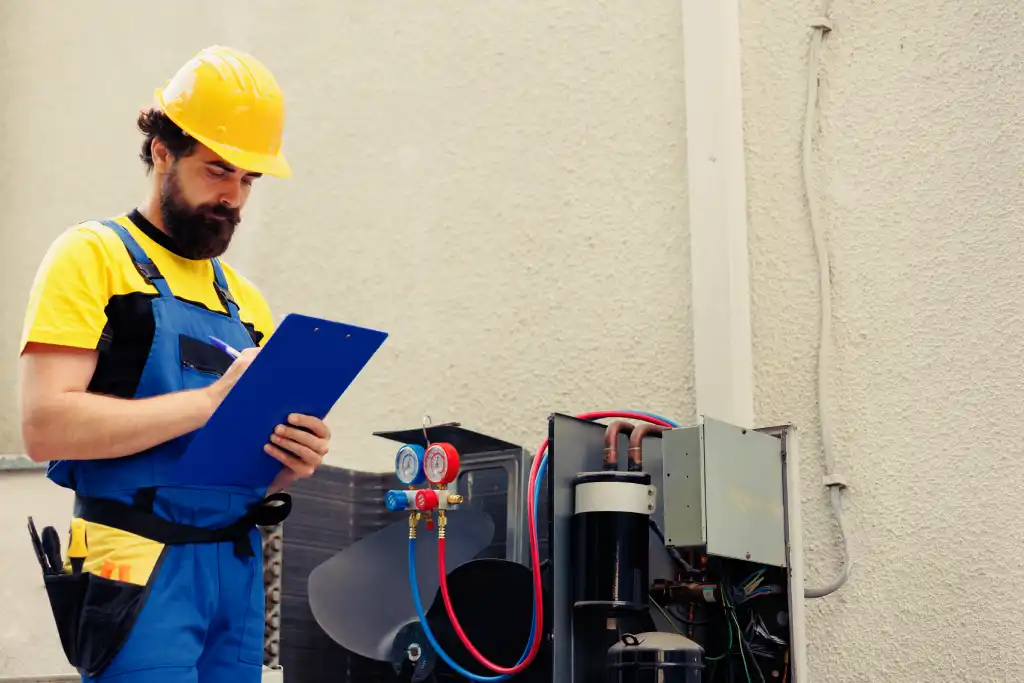
The purpose of a home gas safety check is simple: to confirm that every gas appliance in your property is running safely. A Gas Safe registered engineer inspects your boiler, cooker, fire, pipework, and flues, tests each one for safe operation, and records any faults that need attention.
A standard check covers all the gas appliances in your home, including:
The check typically takes 30 to 60 minutes, depending on how many appliances your home has. Once complete, the engineer records the results on a Gas Safety Record, known as a CP12 certificate for rented homes. The document includes:
A home gas safety check matters for two reasons: it protects your household from serious dangers, which we cover in detail below, and it keeps your appliances running efficiently.
Blocked flues, poor ventilation, and incomplete combustion waste fuel and shorten appliance lifespan. So a check can save you money on energy bills and repairs as well as protect your household.
Only an engineer on the Gas Safe Register can legally carry out a gas safety check in the UK. Gas Safe replaced CORGI as the official registration scheme in 2009, and working on gas appliances without registration is a criminal offence.
Always ask to see the engineer’s Gas Safe ID card before the check begins. The card confirms:
You can also verify any engineer by entering their licence number on the Gas Safe Register website. Also, if you’re looking to build your knowledge of domestic gas work, then this Domestic Gas Working Course covers key principles and essential considerations for working with gas safely in domestic settings.

Unsafe gas appliances create three main dangers: carbon monoxide poisoning, gas leaks, and fires or explosions. A poorly maintained boiler, cooker, or fire can produce deadly fumes or release gas into your home without any visible warning, which is why regular checks by a registered engineer matter so much.
Carbon monoxide is the most serious risk. The gas has no smell, taste, or colour, and prolonged exposure can be fatal. A UK Health Security Agency study of deaths in England and Wales found domestic piped gas was the most common source of fatal carbon monoxide exposure, with most deaths occurring in autumn and winter when heating use rises.
Early symptoms of carbon monoxide poisoning are easy to mistake for common illnesses. Watch for:
Symptoms that ease when you leave the house and return when you come back are a strong warning sign. If you suspect carbon monoxide, turn off the appliance, open windows, leave the property, and call the National Gas Emergency Service on 0800 111 999.
Gas leaks bring their own dangers. Escaped gas can ignite from a single spark, causing fires or explosions that destroy property and lives. Warning signs include a rotten egg smell, hissing sounds near appliances, and dying houseplants.
Unsafe appliances also burn fuel poorly. Look for lazy yellow or orange flames instead of crisp blue ones, dark staining around the appliance, and excessive condensation on windows, as all three suggest incomplete combustion.
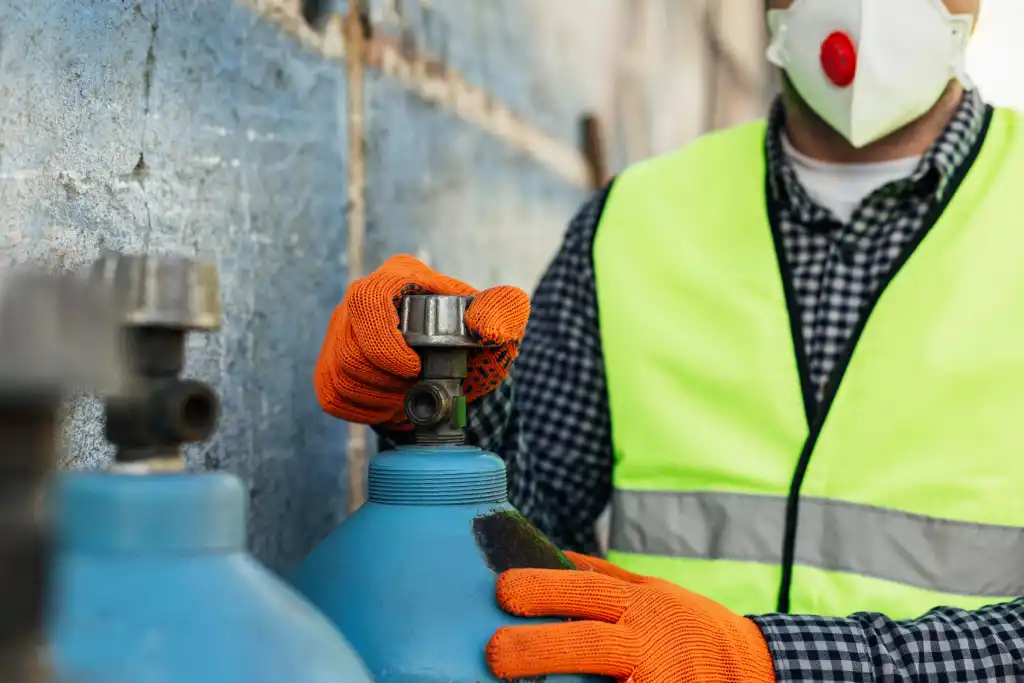
A gas safety check covers every gas appliance in your home, along with the pipework, flues, and ventilation that support them. Rather than a quick glance at the boiler, it is a structured process that confirms each appliance burns gas correctly, runs at the right pressure, and vents waste gases safely outside.
Here is how a typical check unfolds:
First, a close look should be given at each appliance’s physical condition. Corrosion, staining, damage, and wear all get noted, and the engineer checks whether everything is stable, correctly fitted, and suitable for the room it sits in.
This is the test most homeowners have never heard of. The engineer tests the whole installation, from the meter through the pipework to each appliance connection, to confirm no gas is escaping anywhere in your home.
Next is to check the gas pressure. Each appliance needs the correct supply to burn fuel at the rate the manufacturer intended, so the engineer measures it and compares the readings against specification.
A healthy appliance produces a crisp blue flame. Lazy yellow flames suggest trouble, so the engineer checks how cleanly each appliance burns, often using a flue gas analyser for a precise reading of combustion performance.
Waste gases need a safe route out of your home. The engineer inspects flues and chimneys for blockages and confirms each appliance draws enough air to burn properly.
A quick but vital one. The engineer trips protective features such as the flame failure device to confirm the gas supply cuts off automatically if the flame goes out.
Every appliance, fault, and action taken goes on your Gas Safety Record. Should the engineer find a dangerous appliance, they will advise you not to use it and, with your permission, disconnect and label it until it is repaired.
Note that a gas safety check is not the same as a boiler service. We explain the difference in the cost section below.

Yes, but ensuring the gas safety check depends on who you are. The law treats landlords, homeowners, and tenants very differently, so let’s take them one at a time.
Yes, and there is no way around it. The Gas Safety (Installation and Use) Regulations 1998 require every gas appliance, flue, and section of pipework in a rental property to be checked once a year by a Gas Safe registered engineer.
The paperwork rules are strict too. Existing tenants get a copy of the record within 28 days of the check, new tenants get one before they move in, and you keep each record for at least two years.
One helpful change arrived in 2018: timing flexibility. Book the check up to two months before the current record expires, and the renewal date stays put, much like an MOT. No more deadline creeping backwards year after year.
Skip the check, though, and the consequences stack up quickly: unlimited fines, imprisonment in the worst cases, and invalidated landlord insurance. A missing gas safety record can also undermine your ability to regain possession of the property, as providing one is among the requirements for eviction proceedings in England.
No legal duty, but it can be done anyway. Nothing in law forces you to book a gas safety check for your own home. Plenty of homeowners arrange one each year regardless, and for good reason. A yearly inspection catches carbon monoxide risks and developing faults early, and some boiler warranties only stay valid with annual attention.
You don’t book the check, but you have rights around it. Your landlord must give you a copy of the gas safety record. Your side of the bargain is letting the engineer in when the check is due. Beyond that, never attempt gas repairs yourself, and flag any appliance concerns to your landlord straight away.
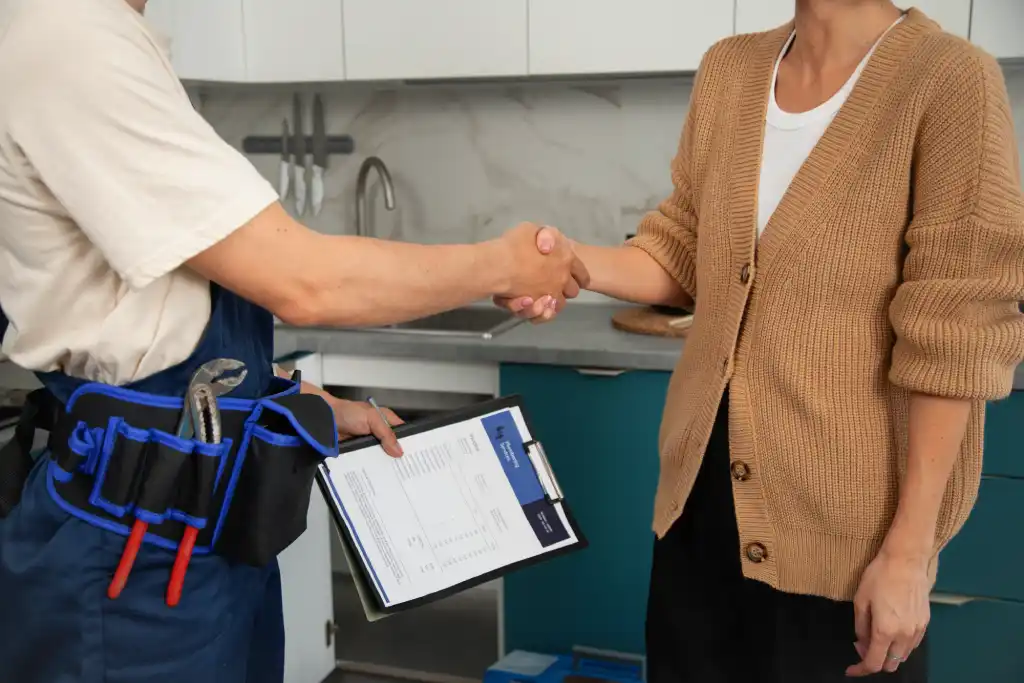
A gas safety check costs between £60 and £90 in the UK, with an average of around £80. A boiler service costs around £100 on average. Booking a combined service and gas safety certificate costs £100 to £150, which usually works out cheaper than paying for each visit separately.
| Service | Typical UK cost |
| Gas safety check (one boiler plus one appliance) | £60 to £90 |
| Each additional gas appliance | £10 to £15 |
| One-off boiler service | £70 to £120 |
| Combined boiler service and gas safety certificate | £100 to £150 |
Several factors affect the price you pay. The number of gas appliances is the biggest one, as most engineers charge around £10 to £15 per additional appliance, and prices run slightly higher in London and the South East. Older or non-standard boilers can also add to the bill.
The difference between the two services matters when comparing quotes. A gas safety check confirms your appliances are safe to use, while a boiler service is maintenance that includes cleaning components and checking parts for wear. The check protects your safety, and the service protects your boiler’s performance and warranty.
For landlords with several properties, many engineers offer discounted rates on multiple annual checks. It is worth requesting quotes from two or three Gas Safe registered engineers, as prices for the same work can vary considerably between providers.
Whichever option you choose, always confirm the engineer is on the Gas Safe Register before booking. A cheap quote from an unregistered fitter is not a saving.

Only for £59 (was £999)
Access 400+ expert-led courses for 12 months.No hidden fees. Cancel anytime.
Get Access NowNo, it is not illegal. Homeowners have no legal duty to hold a gas safety certificate when selling. Only landlords letting property need one. However, buyers’ solicitors often request recent gas safety or boiler service records, so having them can smooth the sale and reassure buyers.
A late certificate breaks the law straight away, as there is no grace period. The landlord can face fines, lose insurance cover, and find it harder to evict tenants. If the tenant refused entry, keep proof that you tried to arrange the check. Then book a new check right away.
Yes, but only if they are Gas Safe registered. Many plumbers hold this registration, but plumbing qualifications alone do not allow gas work, which is illegal without registration. Always check the engineer’s Gas Safe ID card or look them up on the Gas Safe Register before booking.
So, what is a home gas safety check? As this blog has covered, it is an annual inspection of your gas appliances, pipework, and flues by a Gas Safe registered engineer. We explored the risks of unsafe appliances, the step-by-step process, the legal rules for landlords, and the typical costs involved.
The key lesson is simple: gas dangers rarely announce themselves. Carbon monoxide cannot be seen or smelled, and a developing fault can sit unnoticed for months. An annual check costing around £80 is a small price against the risks of poisoning, fires, and expensive appliance failures.
If your last gas safety check was more than a year ago, book one with a Gas Safe registered engineer soon. Fit a carbon monoxide alarm in every room with a gas appliance, and keep your records safe, especially if you are a landlord with legal duties to meet.

High Skills Training is a UK-based CPD training provider offering structured online courses and educational resources across health and social care, business administration, and professional development, supporting recognised standards and ongoing workforce development.
Get the latest insights, tutorials, and deep dives delivered to your inbox every week.
🔒 No spam. Unsubscribe anytime.
Stage 2 isn't always most painful. Discover which stage of pressure sores and cold sores actually hurts most, and how to manage it.
View This Blog
Understand gas safety regulations in the UK, covering compliance duties, Gas Safe rules, landlord checks, CO alarms by nation, and penalties.
View This Blog
Medication administration procedure guide for UK care workers. Master the 8 Rights framework, step-by-step process, and prevent errors in care homes.
View This Blog
