




What Equipment Can an Occupational Therapist Provide?
What equipment can an occupational therapist provide? From bathing aids to stairlifts, find what keeps you safe and independent at home.
View This BlogSpecial Deal
£11.24Any Courses
Limited Time only


Learn what is nursing assistant, what they do, and how you can grow your career in the UK health and social care sector. Read this complete guide.
A nursing assistant’s role is about caring for people, helping them feel comfortable, and knowing that what you do truly matters. One of the most common questions in the UK is “What is Nursing Assistant?” and how they can start a career in this profession.
Nursing assistants are the real heroes on the frontline of healthcare in the UK. They support both nurses and patients in hospitals, care homes, and community settings. Their care ensures that patients feel safe, respected, and valued.
For anyone considering a career in healthcare, if you’re wondering how to become a nursing assistant, this complete guide will detail everything you need to know as an aspiring nursing professional.
A nursing assistant is a member of the health care team who assists nurses and patients with their daily routines. They are the individuals who provide practical assistance, whereby they assist in washing and dressing skills, as well as eating and moving around without injury, particularly to those who find it challenging to perform such activities independently.
The nursing assistants are the known and friendly faces that people turn to due to the time they spend with the patients. They observe minor developments in the health or behaviour of an individual and relay this to the nursing team, which assists in ensuring that all people are safe and healthy.
They also perform basic clinical activities like taking temperatures, vital signs, cleaning and organising rooms. It might seem that these activities are simple, but they contribute significantly to operating the care smoothly and at a high standard.
Concisely, a nursing assistant is useful to ensure that nothing stalls in a caring environment. They relieve nurses of their workload and ensure that all patients have a peaceful, dignified, and conducive experience with them every day.

Both Nursing assistants and nurses play a crucial role in ensuring patients receive quality care and support. They are partners, yet the roles, duties, and qualifications of these partners are extremely dissimilar. Knowing these differences will help you make the correct decision about a healthcare career.
A nurse is a trained medical practitioner, a person who supervises the patients, gives treatment, administers medicine, and takes care of the patients. The nurses also deal with the nursing assistants and provide care safely and efficiently.
A nurse attendant is concerned with practical care. They assist patients in eating, safely moving and recording their vital signs. They also assist the nurses in the simplest clinical work and bring solace and encouragement to the patients as well as their families.
Comparison Table:
| Aspect | Nurse | Nursing Assistant |
| Qualification | Bachelor of Nursing and NMC licensure. | Vocational or on-the-job training. |
| Main Role | Organises and directs the care of patients. | Gives personal care on a daily basis. |
| Responsibilities | Physical examinations, medications and care plans. | Provides care to patients regarding their daily activities and vital signs. |
| Work Supervision | Leads healthcare staff | A Nurse supervises their work. |
| Workplace | Community care, GP clinics, hospitals. | Care homes, residential care, hospitals. |
| Pay Level | Increased because of advanced qualification. | Minimal yet significant access to healthcare. |
| Career Growth | Can specialise or transfer to high-level jobs. | Need additional training to become a registered nurse. |
Each day, nursing assistants are the main providers of necessary care and comfort to patients. Their assistance enables the nurses and doctors to concentrate on the treatment, as well as making sure that the patients are comfortable, safe, and respected.
An excellent nursing assistant remains loving, tolerant and empathetic. Their attention gives the patients a dignified and comfortable recovery.
In the UK, you do not require any degree to be a nursing assistant. The right training and experience, accompanied by a compassionate approach, is what counts. Employers are appreciating those applicants who are able to integrate healthcare knowledge with caring.
The majority of them begin with a Level 2 or Level 3 Diploma in Health and Social Care or a Care Certificate. Such courses include patient safety and infection control, as well as effective communication.
Other NHS trusts and care homes have their training programmes or apprenticeships where you can learn and, at the same time earn. This will assist you to gain confidence and experience in working in a team, taking care of patients and record keeping.
After starting work, you would most likely be trained on-site, which would allow you to get acquainted with the equipment and the routine of everyday care. Training is crucially important, yet a proper attitude is equally important. An effective nursing assistant is a caring, tolerant and ready to offer assistance with dignity and passion.

Being a nursing assistant in UK provides a lot of development opportunities. By gaining experience and learning, you are able to advance to higher or specialised positions.
You may advance to the position of:
One step will assist you in developing more competencies and gaining confidence. The nursing assistant profession may be long-term and fulfilling with hard work.
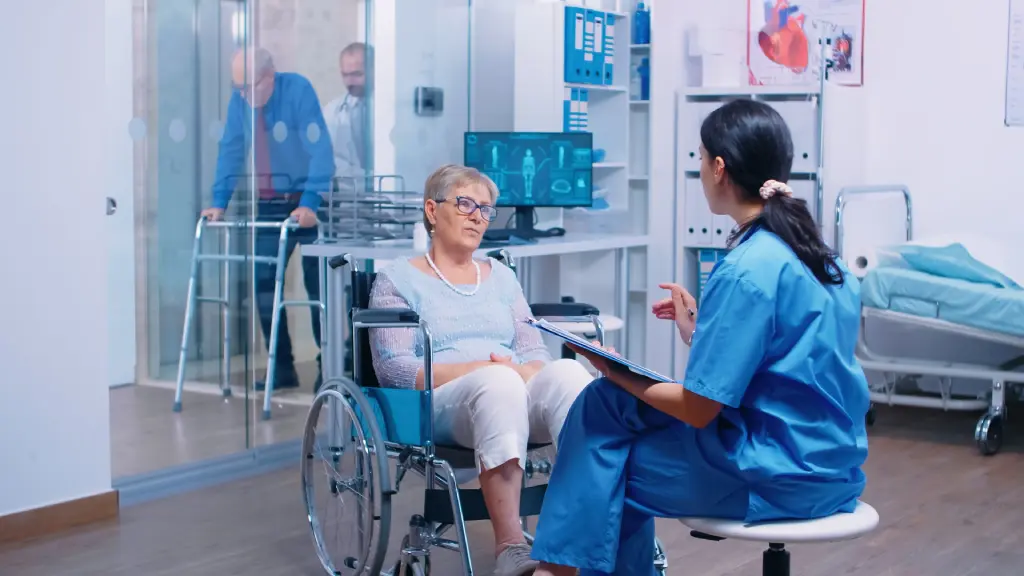
Nursing assistants work in both the National Health Service (NHS) and the private healthcare organisations. NHS roles are the most common, but private care can provide extra opportunities for growth and flexible working hours. Keep in mind that training opportunities and salary structures can vary between the NHS and private care.
| Workplace | Description |
| Hospitals (NHS and Private) | Assist in the daily activities of patients, help nurses with simple medical services, and assist them in recovery. |
| Care Homes and Residential Homes | Offer long-term assistance to older or disabled residents as well as companionship and personal care. |
| Community Health Centres | Benefit local patients, facilitate check-ups, and facilitate health programmes. |
| Rehabilitation Centres | Treat patients who have undergone surgery or injury, and assist them in regaining their strength and independence levels. |
| GP Surgeries and Private Clinics | Make patients ready to visit the clinic and keep the place clean and safe. |
| Home Care (Domiciliary Care) | Going to the homes of patients to aid them in their daily activities, medicine, and emotional assistance. |
Both settings are unique and give you the chance to make a real, positive difference in people’s lives.
The salary of a nursing assistant in the UK depends on experience, workplace, and location. Entry-level positions pay less, while senior or specialist roles come with higher pay and additional responsibilities.
| Experience Level | Average Annual Salary (UK) | Details |
| Entry Level or Trainee | £20,000 – £23,000 | For beginners or those new to healthcare. |
| Well-Trained Nursing Assistant | £23,000 – £28,000 | Additional training and experience may qualify a person. |
| Senior or Specialist Role | £28,000 – £32,000+ | For leadership or specialist positions. |
In private healthcare, you may earn slightly more, especially for night or weekend shifts. NHS roles tend to be more secure and come with excellent employee benefits. However, the greatest reward is knowing you make a real difference in people’s lives.

Only for £59 (was £999)
Access 400+ expert-led courses for 12 months.No hidden fees. Cancel anytime.
Get Access NowThrough hard work and practice, you will get more secure and ensure that your patients feel loved with love and respect.
They help patients with daily care like washing, dressing, and eating while supporting nurses with basic health checks.
You’ll need a Level 2 or Level 3 Diploma in Health and Social Care or a Care Certificate.
The average salary ranges from £20,000 to £28,000 a year, depending on experience and workplace.
They can work in hospitals, care homes, clinics, and community healthcare settings.
Patience, empathy, communication, and good organisation are essential for quality care.
If you’re curious what is nursing assistant, it is a profession that is founded on empathy, nursing and devotion. You will assist nurses and help patients with their everyday needs, and be a significant member of the healthcare team.
The healthcare sector provides excellent training and career development opportunities to help you grow with confidence. With the proper support, you can deliver care filled with understanding, respect, and compassion. Start your healthcare journey with High Skills Training and take the first step towards becoming a skilled nursing assistant.

High Skills Training is a UK-based CPD training provider offering structured online courses and educational resources across health and social care, business administration, and professional development, supporting recognised standards and ongoing workforce development.
Get the latest insights, tutorials, and deep dives delivered to your inbox every week.
🔒 No spam. Unsubscribe anytime.
What equipment can an occupational therapist provide? From bathing aids to stairlifts, find what keeps you safe and independent at home.
View This Blog
Occupational therapy benefits explained: how it rebuilds independence, mobility and confidence for adults and children across the UK
View This Blog
Explore occupational therapy vs physiotherapy and learn key differences, shared goals, and career guidance for UK care professionals and aspiring therapists.
View This Blog
