


How to Become a Facilities Manager in the UK
How to become a Facilities Manager in the UK? Explore this blog to learn entry paths, qualifications, salary, key skills, and career growth opportunities.
View This BlogSpecial Deal
£11.24Any Courses
Limited Time only


Contextual safeguarding in schools protects students by addressing risks from peers, communities, and online spaces to create safer learning environments.
Every day, children and young people face numerous risks that are not always visible. School and research reports show that many young people experience significant harm from their families. Contextual safeguarding is a top priority for any organisation working with children and young people or adults at risk, including education, healthcare, and social services.
So, what is contextual safeguarding in schools? Contextual safeguarding in schools is an approach that recognises children and young people who face harm outside of their family home. This includes risks within peer groups, schools, neighbourhoods, and online spaces. Schools must identify negative influences as threats.
This blog post has discussed contextual safeguarding in detail. You will also discover how adopting contextual safeguarding is. It helps the schools strengthen protection and build a culture of safety. Let’s read further.
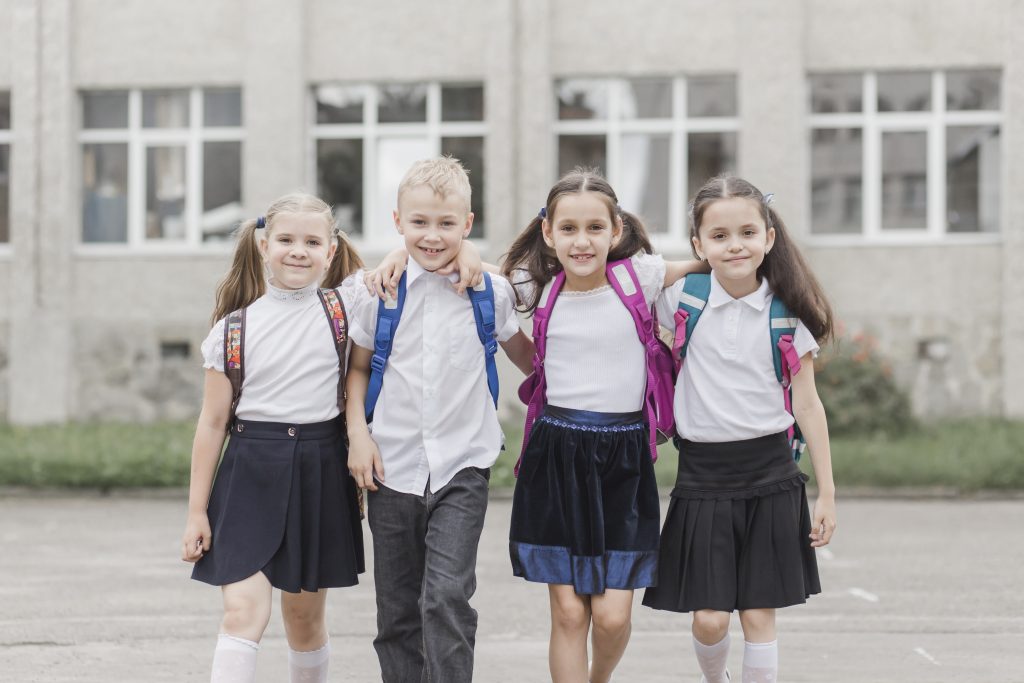
When we talk about contextual safeguarding in school, it means keeping children safe outside school and at home. You might not realise it, but risks can come from anyone, like friends pressuring you, online dangers, or local gangs. You can run into problems in places you might not expect. for example
So, in school, abuse can happen. Rarely, a student might be aggressive toward staff. That’s why we all need to stay alert, speak up, and keep everyone safe.
Dr Carlene Firmin created the contextual safeguarding at the University of Bedfordshire. Her research showed that children and young people face risks outside their homes. For example, Children can feel unsafe and uncomfortable with friends, at school, in their neighbourhood, or online. This approach helps us as professionals, schools, and organisations. To understand these wider risks and respond to them more effectively.
The idea behind contextual safeguarding is to help school professionals. We can step in early, support young people better, and make sure they feel safe no matter where they are. It’s about protecting them in all areas of their life, not just at home.
Contextual safeguarding recognises that young people and children can be harmed in everywhere. It focuses on safeguarding that is not only family-based. It is also wider social and community environments where harm can occur.
Most Young people are exposed to problems at home as a result of neglect, abuse, or living in peril. They are not safe at their home as well. It directly affects the children’s mentality and also ruins their childhood. Contextual safeguarding accepts that such harms have to be tracked and intervened upon cautiously.
Sometimes students face extra familial abuse in school or outside the home from peers, strangers, or community members. For this reason, they feel afraid and become traumatised and cannot concentrate on their studies. Contextual safeguarding recognises that opportunities exist to identify and address these risks.
In the local environment, children’s development, socialisation, and learn can impact their safety. In local communities, gang presence, or drug or alcohol abuse in the locality, are all examples of environmental factors that have the propensity to place young people at risk.
Nowadays, online abuse is the most common problem in the world. The internet is one of the new purposes for abuse, from cyberbullying to exploitation and inappropriate online contact. Contextual safeguarding emphasises the reality of online abuse. Online arenas constitute a considerable portion of a child’s world and must be included within safety planning.
Children can harm one another with bullying, sexual harassment, or abusive behaviour. To identify the same is critical to successful intervention and protection. Schools and adults need to take it seriously, provide support, and put measures in place to prevent it.
In school, Bullying and harassment are one of the most common problems. Schools are the most important social environment for children outside the family home. If they experience bullying, exclusion, or fighting behaviour, it can have a major impact on a child’s emotional and mental health. The schools have a significant role to play in guarding against these.
Children in 1989 were founded upon core principles that affirm local reactions towards extra-familial harm. In UK law, primarily addresses risks within the home, contextual safeguarding recognises that children and young people can face harm in other settings.

The Children Acts 1989 and 2004 put duties on local authorities to safeguard children, and the Education Act 2002 also puts duties on schools to ensure their pupils are safe from harm as bullying and peer abuse. The Keeping Children Safe in Education (KCSIE) 2025 also sets out guidance for schools to tackle developing risks like cyberbullying and abusive peer behaviour.
Policy frameworks support the practical implementation of safeguarding. Working Together to Safeguard Children 2018 (updated 2023) promotes multi-agency collaboration and urges professionals to consider the broader social environments affecting children, not just the home. UK government guidance on peer-on-peer abuse and sexual violence/harassment in schools further helps schools and agencies recognise and respond to harm beyond family settings.
When A child is being neglected at home, it is called traditional safeguarding. That’s why social services step in to engage with the family. Home and family life of the child concern the parents in Traditional safeguarding. Mostly, parents and carers are involved in family-based interventions who have suffered Abuse, neglect or harm within their family.
The family was assisted by Traditional safeguarding to keep the child safe. For example, A social worker investigates neglect at home. Parents are instructed to keep a closer eye on the child. Traditional safeguarding is providing parenting classes to increase surveillance.
When children face risks and harm in environments outside of the family, such as schools, peer groups, online environments, and communities, that’s called contextual safeguarding. Do you know? Multi-agency and schools, police, children’s youth services, and community organisations are very careful .
Contextual Safeguarding’s main focus is on changing or managing the general environment to minimise risk. Example: A school reacts to playground bullying that affects a child’s happiness. Police and youth workers in the community decrease gang-related risk around the child’s neighbourhood. They respond to online grooming or sexual bullying between peers in school. Also, they implement school anti-bullying policies or safer community spaces.
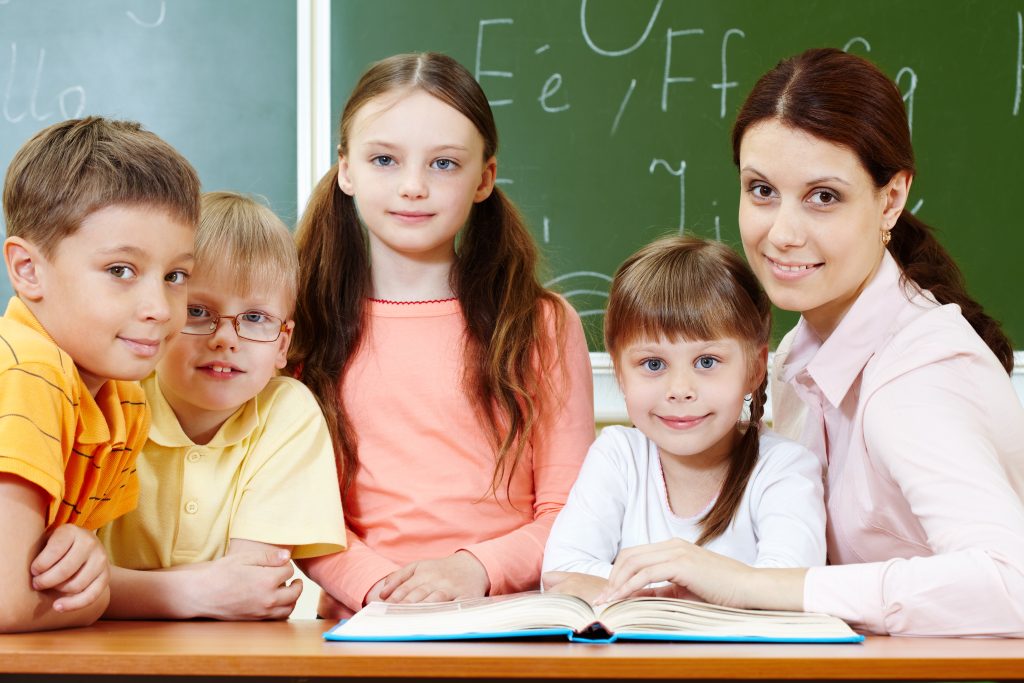
Contextual safeguarding is of critical significance because it is not just about protecting a single child at a time. It takes serious action about children and young people are not just vulnerable in their homes. Traditional safeguarding focuses mainly on family-based risks, but in today’s world, a lot of risk is outside the home.
Instead of just reacting to harm a child has already suffered, it takes a step back and asks: Why is this risk arising, and how do we prevent it from arising in the first place? It’s an approach founded on good partnerships. Schools and public services like social care and the police are obviously essential.
Child criminal exploitation (CCE) is when children or young individuals are talked into or forced to do something criminal in order to benefit someone else. It can include selling or distributing drugs, robbery, or other illegal activities.
Children are forced, threatened, or tricked, and in some cases. They may not be aware of the risks involved. CCE is a harmful form of extra-familial harm. It considers risks within school, peer groups, the internet, and communities. Explore more safeguarding and child protection training with HighSkills Training to strengthen your knowledge and keep young people safe.
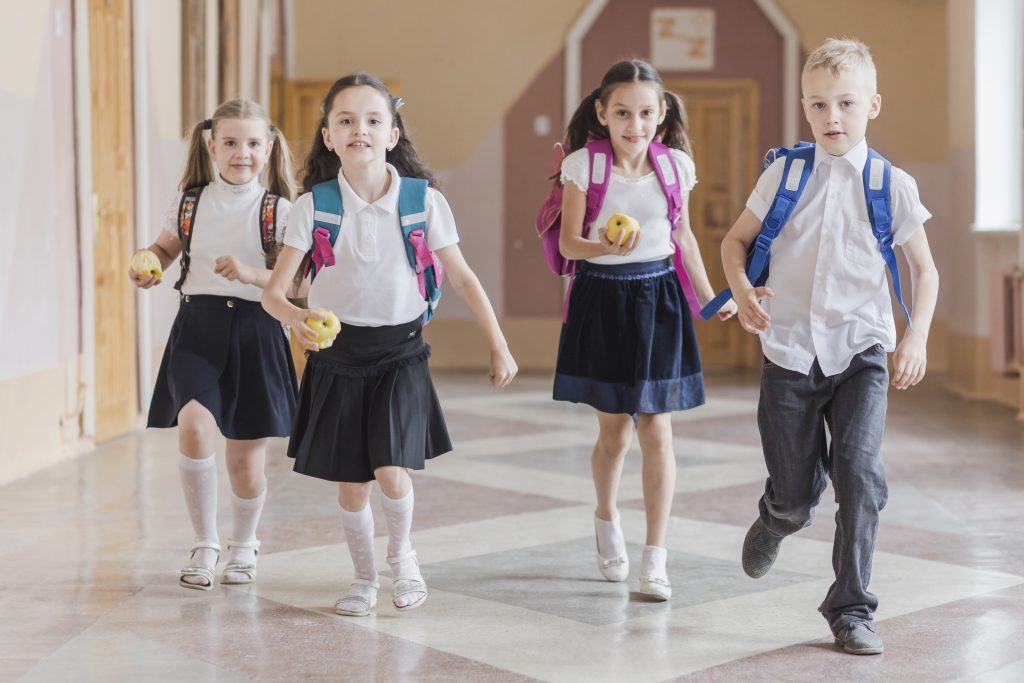
Safeguarding in schools can be improved by adopting an active, whole-school approach of high importance for the safety and well-being of all children. It involves policies, training, culture, and collaboration between the school and the community.
School leaders must provide safeguarding at all levels. This includes clear policies and establishing a culture. Staff and students feel able to raise their concerns. Also, maintaining safeguards is central to decision-making.
Training should be given to all staff and volunteers to recognise signs of abuse, neglect, or exploitation. And also including other familial risks, such as peer-on-peer abuse or online harms. Awareness keeps responding and reporting in a timely.

Only for £59 (was £999)
Access 400+ expert-led courses for 12 months.No hidden fees. Cancel anytime.
Get Access NowWhen you collaborate with multiple agencies for social services, police, healthcare professionals, and community groups, it improves the school’s ability to manage intricate safeguarding issues. Information sharing and resources ensure that risks outside the school are managed properly.
Educating children on internet safety, healthy relationships, and resilience allows them to recognise and respond to risk. We should encourage for open discussion, which enables young people to feel supported and confident to seek help when needed.
If a student notices or faces any problem, they must report to the Designated Safeguarding Leads (DSLs). DSLs can assess the problem, alert parents or carers if it is safe to do so. Involve external agencies such as social services or police if it is appropriate.
Line managers, volunteers, trustees, governance teams, parents, carers, and communities, and Designated Safeguarding Leads (DSLs) are responsible for developing a safeguarding culture.. It is not one person’s job. It shared responsibility throughout an organisation and society.
You should be aware of the home. And also have to notice where young people spend time, work with others, and make every space safer for them. If you want to learn something more, take a course to know more about it.
It is important to understand what is contextual safeguarding in schools means to protect children outside their families. It indicates that children are unsafe in schools, with peers, on the internet, and in the wider community. Also, Extra-familial harms such as peer-to-peer abuse, bullying, exploitation, and online harms, schools can create safer environments.
All members of staff, teachers, parents, and the community have a role to respond to and recognise risks. Staff training, teaching young people, open reporting procedures, and collaboration with multiple agencies are very effective. For this reason, schools can ensure children are safeguarded and supported in all the settings in which they live, learn, and socialise.

High Skills Training is a UK-based CPD training provider offering structured online courses and educational resources across health and social care, business administration, and professional development, supporting recognised standards and ongoing workforce development.
Get the latest insights, tutorials, and deep dives delivered to your inbox every week.
🔒 No spam. Unsubscribe anytime.
How to become a Facilities Manager in the UK? Explore this blog to learn entry paths, qualifications, salary, key skills, and career growth opportunities.
View This Blog
Working Together to Safeguard Children 2026 explained: what changed since 2023, who must follow it, and what your organisation should check now
View This Blog
Who Does Deprivation of Liberty Safeguards Apply To? It applies to those aged 18 or over who lack mental capacity and need care in...
View This Blog
