




What Is the Most Painful Stage of Sores?
Stage 2 isn't always most painful. Discover which stage of pressure sores and cold sores actually hurts most, and how to manage it.
View This BlogSpecial Deal
£11.24Any Courses
Limited Time only


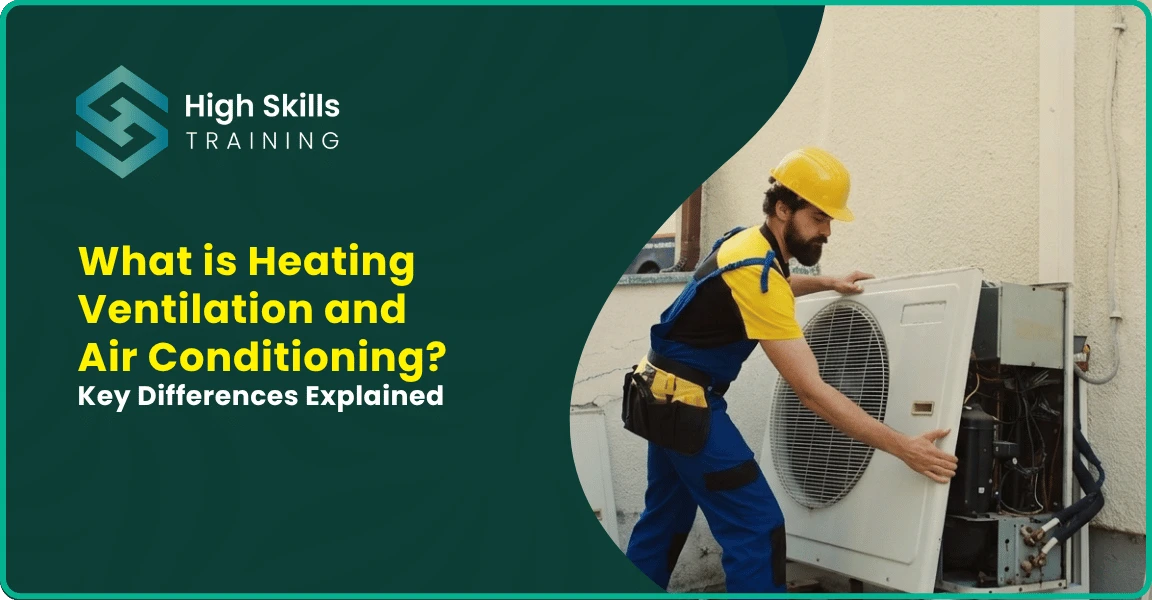
Explore what is heating ventilation and air conditioning, also learn key differences and how HVAC systems keep UK homes comfortable all year round. Read more!
Heating and cooling systems shape how comfortable we feel in homes, offices, and public buildings every day. They control temperature, airflow, and humidity without us even noticing. Whether it is a winter cold or a warm summer, these systems ensure indoor comfort.
So, what is heating ventilation and air conditioning? Heating, Ventilation and Air Conditioning (HVAC) is a system that controls indoor temperature, airflow, and air quality. HVAC systems create an effective indoor environment. These systems also support thermal comfort and improve indoor air quality.
In this blog, you’ll learn about the HVAC system clearly. Step by step, you’ll also learn how HVAC systems work, their key differences, and why they matter for homes and buildings across the UK.
Heating, Ventilation and Air Conditioning (HVAC) is a technology that regulates temperature, air movement and air quality. It maintains the temperature in your home during winter or summer. And HVAC systems will extract indoor air and replace it with fresh air, helping to improve the air quality of any building.
Our homes, offices, schools and other buildings across the UK all have HVAC systems. These systems integrate heating, ventilation and air conditioning into a single, efficient system. Modern HVAC systems also control humidity, help with energy conservation and keep you comfortable all year long.
Until it fails, many of us don’t give much thought to our HVAC system. But it’s there all the time. HVAC offers more than just heating and air conditioning; it’s also responsible for regulating temperature and removing pollutants. It is crucial to ensure your indoor environment is healthy, safe and comfortable.

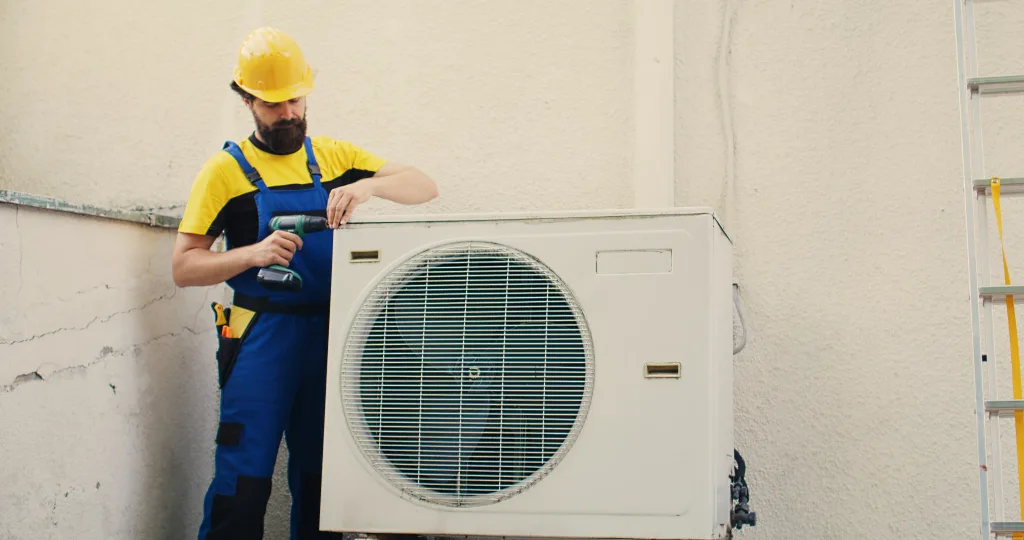
An HVAC system works by controlling the three main functions in a building. Heating, ventilation and air conditioning. Each of these functions is slightly different. They are used to control temperature, air circulation and air quality in any indoor environment to keep you healthy and comfortable all year round.
Heating warms your indoor space during cold weather. It uses a boiler, heat pump, or furnace to generate warm air. This heat circulates through ducts or radiators. It maintains a comfortable and consistent indoor temperature throughout your home or building during the winter months.
Ventilation moves fresh air in and removes stale indoor air out. It reduces excess moisture, odours, and airborne pollutants inside a building. Ventilation works either naturally through windows or mechanically through a dedicated ventilation system. It plays a vital role in maintaining healthy indoor air quality.
Air conditioning cools your indoor space during warm weather. It uses refrigerant to absorb heat from inside and release it outdoors. Cool air then circulates back through the building. This process also controls humidity levels, keeping your indoor environment comfortable and fresh throughout the warmer months.
Heating, ventilation and air conditioning are all different functions of a building. They may be used interchangeably by some. Understanding the differences is vital so you can select the right comfort, energy and air quality for your office or home all year round.
The difference between heating, ventilation and air conditioning is:
| Feature | Heating | Ventilation | Air Conditioning |
| Primary Purpose | Warms indoor spaces | Moves and refreshes the air | Cools indoor spaces |
| Main Function | Raises indoor temperature | Removes stale air and brings in fresh air | Lowers indoor temperature |
| Key Component | Boiler, heat pump, furnace | Air handling unit, fans, ducts | Refrigerant, evaporator coil, compressor |
| Affects Humidity | Slightly reduces humidity | Helps control moisture levels | Actively reduces humidity |
| Energy Consumption | Moderate to high | Low to moderate | Moderate to high |
| Works Best In | Winter and cold months | All year round | Summer and warm months |
| Air Quality Impact | Indirect | Direct improvement | Indirect |
| Common Systems | Radiators, underfloor heating | Mechanical and natural ventilation | Split units, ducted AC systems |
| Climate Control | Partial | Partial | Partial |
| Combined System | HVAC covers all three together | HVAC covers all three together | HVAC covers all three together |
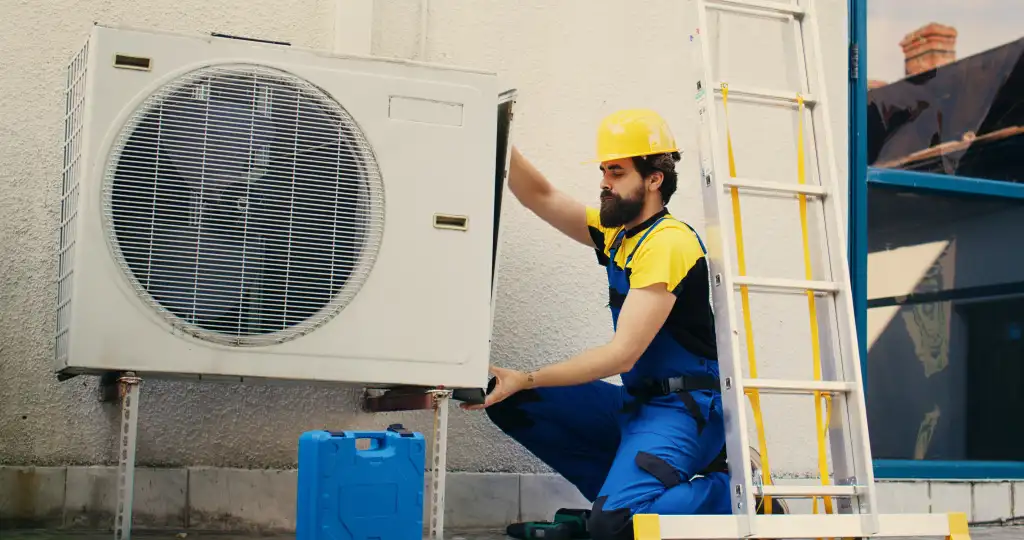
The UK climate can be unpredictable. It’s cold and wet in winter, and hotter in summer. An efficient HVAC system ensures indoor comfort year-round. It also ensures your health, energy efficiency, and indoor air quality in your home or building.
Here’s why UK homes and buildings need HVAC systems:
An efficient HVAC system does more than just heat and cool your home. There are many benefits for the UK. It reduces energy consumption, enhances indoor air quality and provides year-round comfort. For UK homeowners and businesses, investing in an efficient HVAC system brings real and long-lasting everyday benefits.
Here are the key benefits of an efficient HVAC system:
Choosing an HVAC system for your UK home or office can be challenging. There are many options available. It must suit your needs, budget and energy efficiency requirements. Understanding factors to consider makes the process simple.
Here’s how to select the right HVAC system:
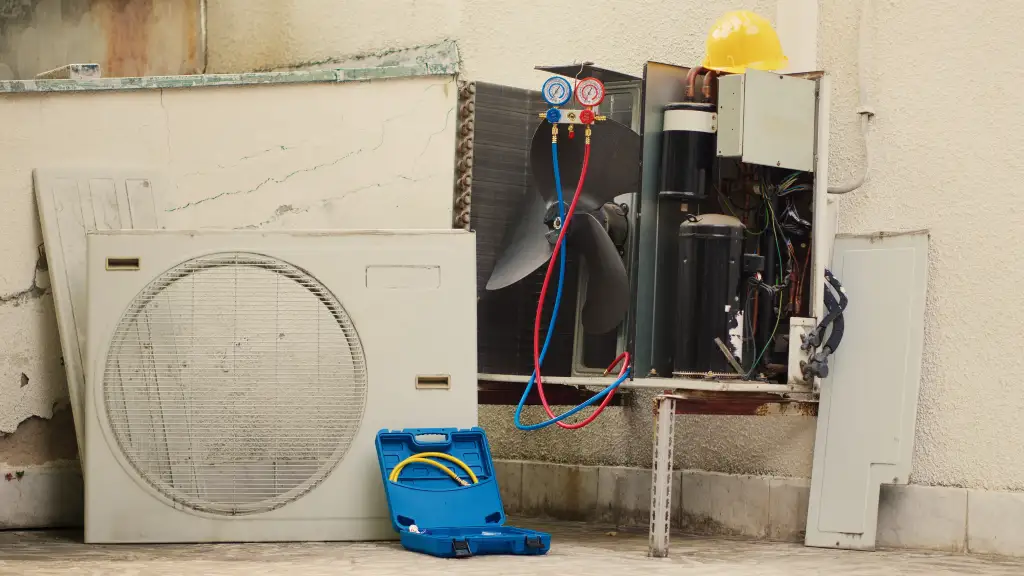
Regular maintenance keeps your HVAC system running efficiently and extends its lifespan significantly. Neglecting maintenance leads to higher energy bills, poor indoor air quality, and costly breakdowns. A well-trained technician is essential for proper HVAC upkeep. A HVAC technician training course builds technical knowledge to maintain modern HVAC systems professionally.
Here are the best tips for keeping your HVAC system in good shape:

Only for £59 (was £999)
Access 400+ expert-led courses for 12 months.No hidden fees. Cancel anytime.
Get Access NowThe four main types of heating systems are central heating, heat pumps, underfloor heating, and electric heating systems. Each works differently depending on your building type and energy source. In the UK, gas central heating remains the most widely used and popular heating system today.
The most common types of HVAC systems include split systems, ducted systems, heat pumps, mechanical ventilation with heat recovery, and fan coil units. Each suits different building sizes and needs. Choosing the right type depends on your space, budget, and energy efficiency requirements across the UK.
Common HVAC problems include dirty air filters, refrigerant leaks, thermostat faults, poor airflow, and unusual noises. These issues reduce efficiency and increase energy bills significantly. Regular servicing and maintenance help prevent most problems before they develop into costly repairs for UK homeowners and building managers.
Common symptoms of poor ventilation include condensation on windows, damp walls, persistent musty odours, and stuffy air. You may also notice increased allergies or respiratory issues indoors. These signs suggest your home lacks proper ventilation and needs an immediate assessment from a qualified HVAC professional.
No, HVAC and air conditioning are not the same thing. Air conditioning is just one component of a full HVAC system. HVAC also includes heating and ventilation. Together, all three components work as one complete system to control indoor temperature, airflow, and air quality effectively.
Now you’ve learned what is heating ventilation and air conditioning. All homes and buildings in the UK have an HVAC system. They control the temperature, airflow and quality of air to make your home or office a comfortable, healthy place all year round.
Your new HVAC system will be more efficient, more comfortable and save you money. It will also be longer-lasting if properly maintained. For security and comfort, invest in a good HVAC system.
Installation or replacement should be done by professionals. With a good HVAC system, every room is safer and more comfortable.

High Skills Training is a UK-based CPD training provider offering structured online courses and educational resources across health and social care, business administration, and professional development, supporting recognised standards and ongoing workforce development.
Get the latest insights, tutorials, and deep dives delivered to your inbox every week.
🔒 No spam. Unsubscribe anytime.
Stage 2 isn't always most painful. Discover which stage of pressure sores and cold sores actually hurts most, and how to manage it.
View This Blog
Explore what's the best way to become a plumber in the UK and understand the routes, qualifications, skills and salary before choosing the right...
View This Blog
Looking for the best virtual assistant tools in 2026? A guide to the eight categories, free tier limits, MTD-ready invoicing and the stack to...
View This Blog
