




How Much Does Mushroom Farming Cost and Profit in the UK?
Learn about mushroom farming cost and profit in the UK, including startup costs, running expenses, profit margins, key factors, and ways to improve returns.
View This BlogSpecial Deal
£11.24Any Courses
Limited Time only


Explore what is the difference between waste management and recycling, and how they relate to everyday waste practices, regulations, and sustainability
Improper waste sorting makes materials harder to recover and reuse. In the UK, this often leads to inefficient resource use, higher disposal costs, and lower recycling rates.
So, what is the difference between waste management and recycling? Waste management is the overall process of handling waste from its generation through collection, treatment, and final recovery. Recycling is one part of this process that focuses on recovering usable materials and converting them into new products.
This blog looks at waste management and recycling. It explains what they are, how they differ, and how they fit into the waste hierarchy. It also explores their importance and key benefits for organisations. Explore more.
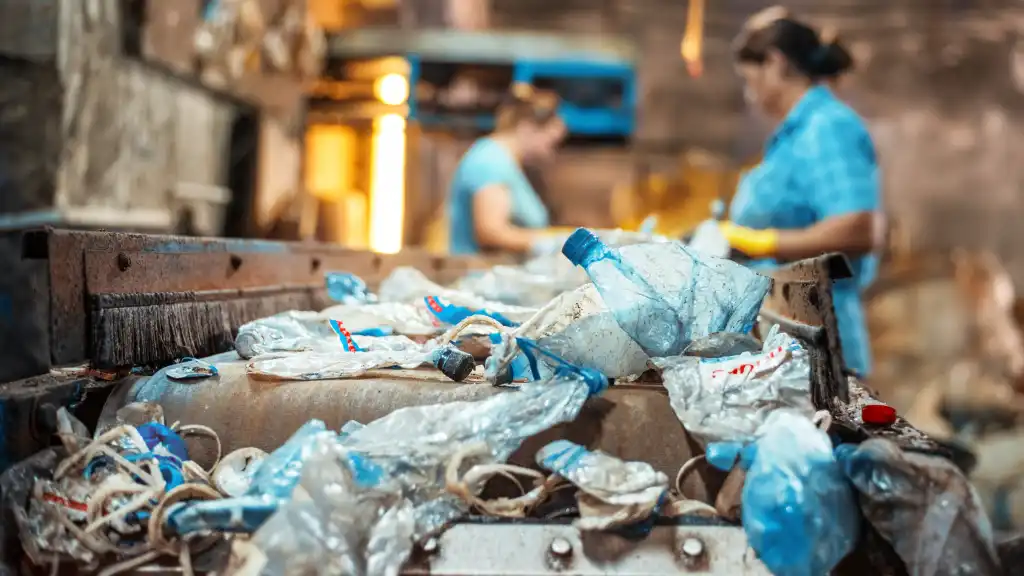
Waste management is the process of controlling and managing waste. It begins when waste is created and continues until it is disposed of properly. This includes separating, collecting, and transporting waste to specific locations. Then, we decide how to manage it, whether to recover, treat, or dispose of it.
The process can be employed in all kinds of waste, such as ordinary domestic waste, industrial products, dangerous wastes, and commercial waste, for recycling. Different approaches must be used based on the waste type. This depends on how dangerous it is and whether it can be reused or recycled.
In UK organisations, waste management is more than just a task. It’s a process that helps them meet compliance rules. At the same time, it lowers costs and boosts environmental performance.
There is a waste hierarchy that prioritises actions according to the level of impact on the environment:
Prevention and reduction relate to activities aimed at preventing waste generation. These include good planning, efficient resource utilisation and proper design. Prevention is the best choice because it minimises waste production and saves resources.
Preparation for reuse means using items or materials again without any treatment or processing. This extends the product’s lifetime and saves raw materials.
The process of recycling and recovery involves converting materials such as paper, plastic, glass, and metal into new products
Proper Disposal
Disposal is the last resort. This is the final step when there is no possibility of reuse or recovery.
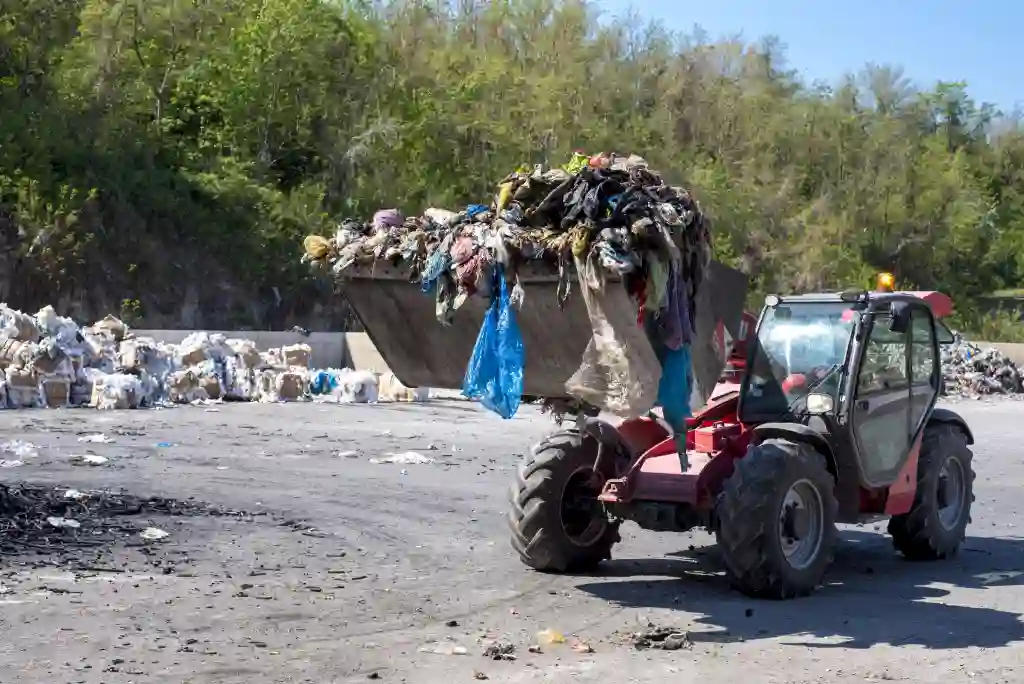
The waste management process involves various types of wastes, such as:
Municipal solid waste comes from homes, businesses, and public areas. It includes packaging, food scraps, and paper. The waste stream is large, making waste management necessary to decrease the volume deposited in landfills.
Industrial & Commercial Waste includes:
Effective waste management is key. It reduces environmental harm and lowers disposal costs. Plus, this process also boosts opportunities for recycling and reuse.
Hazardous waste cannot be managed like general waste. Even small quantities can contaminate soil, water, and air if released into the environment.
Substances such as chemicals, solvents, paints, batteries, and asbestos need special storage. Improper handling can cause chemical reactions. This will eventually lead to fires, toxic emissions, and workplace incidents.
For this reason, hazardous waste must be identified and managed carefully. It helps reduce risks to people, property, and the environment. Those seeking a deeper understanding of these principles may benefit from a Waste Management and Recycling Course.

The difference between waste management and recycling lies in their scope and purpose. Waste management oversees the entire waste lifecycle, identifying opportunities to reduce waste, recover materials, and improve resource efficiency.
Recycling is a key step in this process. It turns used materials into new products, instead of throwing them away in a landfill.
In the UK, this distinction comes from key frameworks.
These include:
Waste management has seven key stages. These stages are: generation, collection, transportation, processing, treatment, disposal, and monitoring. These steps work together to change waste from a liability into manageable resources. They also protect environmental health in the process.
The process begins at the point of waste generation, when materials become unwanted by-products of human activity. This stage involves identifying what types of waste are produced and in what quantities. Waste collection happens next. It gathers waste from various sources. This is done using specific containers and scheduled pickups.
Next, transport takes the collected waste to the right facilities. It uses planned routes and suitable vehicles. Once there, processing involves sorting and preparing materials for further handling. Treatment uses methods like recycling, composting, or energy recovery. These processes turn waste into useful products or safer forms.
The final stage, disposal, is for materials that can’t be recovered or treated. This is done using controlled methods like landfilling or incineration. Monitoring tracks performance, costs, and environmental impact across the system. This helps support ongoing improvement and efficiency.
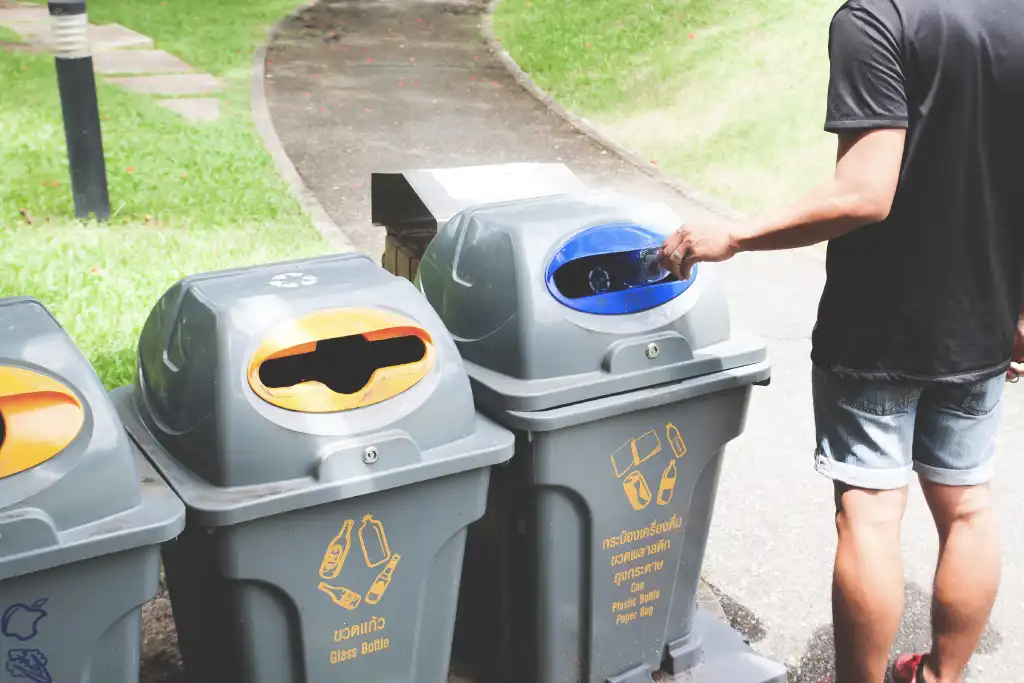
Recycling is a crucial part of waste management. It focuses on reprocessing recycled materials to make new items. This process helps reduce waste and conserve resources. It helps to reduce dependence on natural resources while helping the broader recycling industry.
This step involves:
Common recycled products are paper, glass, aluminium cans, and plastic bottles.
However, recycling alone does not constitute a complete waste management strategy. Organisations must figure out how to store waste. They also need to plan how to transport, document, and manage it. All of this must meet legal requirements.
| Waste Management | Recycling |
| Manages all waste streams and disposal routes | Focuses on recoverable materials only |
| Covers the entire waste lifecycle | Covers the material recovery stage |
| Includes compliance, documentation, logistics, and treatment | Involves sorting, processing, and re-manufacturing |
| Governed by Duty of Care and environmental regulations | Supports resource recovery and landfill diversion |
| Strategic and operational in scope | Technical and process-focused in scope |
The issue of waste management is important to the UK workplace since it is mandated by law rather than just an operational procedure. In accordance with the Environment Protection Act 1990, each company has a “duty of care” to ensure that waste is disposed of safely and passed on to an authorised party.
Businesses in the UK must follow the waste hierarchy for waste management. It is required by The Waste (England and Wales) Regulations 2011 law. This implies that companies are obliged to prove that disposal is indeed the last option in waste management, and never the first option.
Compliance with certain regulations is required, and these include:
Otherwise, businesses may face fines or legal action. The Environment Agency can issue enforcement notices or fixed penalties. They will also be held liable in cases when they fail to prevent illegal dumping of their waste due to unregistered contractors.
Recycling alone doesn’t meet these legal requirements. It only addresses material recovery. It also does not address essential legal duties, such as:

The importance of waste management and recycling extends far beyond environmental responsibility. These practices contribute to waste reduction, improved sustainability, and stronger sustainable practices across organisations. They also help reduce waste disposal costs and minimise dependency on landfill.
Many organisations conduct a waste audit to improve efficiency, identify better waste management practices, and strengthen recycling performance through structured recycling programs.
There are seven major benefits associated with proper waste management and recycling, as discussed below.
Waste management is key for organisations. It helps them find ways to cut waste and use resources better. Companies can cut waste management and material costs by recycling products and using less landfill space.
In most industries, the reduction of waste leads directly to higher profitability.
There are different types of rules regarding waste handling, transport, disposal, and storage in organisations. Any violations could lead to financial losses, legal problems, and cause harm to the company’s reputation. It is crucial to ensure effective waste management and recycling to stay compliant with the requirements and show due diligence.
More investors, clients, and other stakeholders assess corporate environmental performance. It’s easier for companies to reduce their environmental impact. They achieve their sustainability goals through waste management and recycling. This will help businesses increase their ESG rating and gain a competitive advantage.
Consumers and business partners care more about the environment. They consider it when choosing products and services. A company that manages waste well will be viewed more positively. This is actually true compared to its less sustainable competitors.
A strong environmental image is key. It boosts customer loyalty and helps attract new partnerships.
Recycling helps businesses recover value from materials that would otherwise be wasted. This will help create greater efficiencies when it comes to resource use and cut back on the need for new materials. With material prices still changing, this could become a major operational benefit.
Many organisations today set sustainability goals. These goals often focus on reducing waste and carbon emissions. They also promote circular economy principles. Waste management and recycling initiatives help meet goals and provide real benefits.
Waste management and recycling help organisations to meet their customer needs. They also follow procurement rules and comply with regulations. As businesses focus more on the environment, they can gain an edge over competitors.
Waste management issues often happen for many reasons. These include operational, behavioural, and systemic factors. They impact how waste is created, handled, and treated. These problems often lead to inefficiency. They also increase costs and harm the environment due to poor waste management.
Here are 5 main causes of waste management given below:
Mixing different waste types makes recycling harder. As a result, more waste ends up in landfills or gets incinerated.
Managing waste is hard. There aren’t enough recycling centres, treatment plants, or good collection systems.
Without knowing the best ways to dispose of the waste, people tend to do it incorrectly.
Poor monitoring of compliance with regulations makes proper waste management less urgent.
Recycling can be divided into four main categories. This depends on the type of waste material and the techniques used. All these methods serve an important function in the broader scheme of waste management.
Mechanical recycling physically treats the waste without changing its chemical structure. Here, Plastics, glass, papers, metals, and other materials are collected, washed, treated, and used to produce new items. Mechanical recycling remains the most common form of recycling used by companies and cities.
Chemical recycling involves breaking down materials into their elemental components through molecular decomposition, which can be utilised to develop new materials. Chemical recycling remains one of the most preferred methods in the recycling of complex plastics, whereby improved materials can be produced.
Biological recycling pertains to biological waste. Organic material can be processed in ways like composting or anaerobic digestion. This creates biofuel, fertiliser, or even energy.
Energy recovery recycling relates to generating electric or thermal energy from waste material. This entails burning the materials to release heat energy used to generate electricity.

Only for £59 (was £999)
Access 400+ expert-led courses for 12 months.No hidden fees. Cancel anytime.
Get Access NowIn the UK, Plastic Code 3 (PVC – Polyvinyl Chloride) is generally considered the least recyclable household plastic and is not widely accepted in standard kerbside recycling collections. The main reason is that it is more difficult to process than other plastics.
No. A toaster is classified as Waste Electrical and Electronic Equipment (WEEE) and should be recycled through a designated electrical recycling service. Many UK local authorities provide household recycling centres where small electrical items can be dropped off, and some retailers offer take-back schemes when purchasing new appliances.
E-waste is recycled through a controlled process that involves collection, dismantling, hazardous material removal, and material recovery. Valuable metals, plastics, and glass are separated for reuse, while harmful substances are safely treated to prevent environmental contamination.
Understanding what is the difference between waste management and recycling is essential for improving how waste is handled in both professional and industrial settings. The concept of waste management refers to the generation of waste up to its disposal, whereas recycling means reprocessing recyclables back into other products.
Recognising this distinction helps organisations make better operational decisions, improve resource efficiency, reduce disposal costs, and remain compliant with environmental regulations. When both systems work well together, they help create sustainable practices. This supports a circular economy, keeping materials in use for as long as possible.

High Skills Training is a UK-based CPD training provider offering structured online courses and educational resources across health and social care, business administration, and professional development, supporting recognised standards and ongoing workforce development.
Get the latest insights, tutorials, and deep dives delivered to your inbox every week.
🔒 No spam. Unsubscribe anytime.
Learn about mushroom farming cost and profit in the UK, including startup costs, running expenses, profit margins, key factors, and ways to improve returns.
View This Blog
How to become an aviation manager in the UK? You require a Bachelor’s degree in a relevant field, industry experience, & strong leadership skills....
View This Blog
Discover what is facilities management in this clear UK guide. Learn key types, daily manager responsibilities, and how to develop essential industry skills.
View This Blog
