




How to Get Pet First Aid Certified in the UK?
Learn how to get pet first aid certified in the UK. Find accredited courses, understand certification types, and discover why it matters for pet...
View This BlogSpecial Deal
£11.24Any Courses
Limited Time only


Are you conscious about What Temperature Is Too Hot to Walk Dogs? Find out safe temperatures, check pavement tips, and prevent heat stress for your beloved pet.
When it comes to walking your dogs, temperature is very crucial here. Just think what will occur when the temperature exceeds the acceptable level? Even if the external temperature is right for you, is it really safe for your dog? Even a simple walk may put your dog in danger.
So, What Temperature Is Too Hot To Walk Dogs? When the external temperature remains between 70°-75°, it is slightly risky for small and medium-aged dogs. But the temperature has a moderate risk for large breeds. When it is 76 – 80° F, it is unsafe for all dogs, and temperatures above 80° F pose a high risk for your dogs.
In this guide, we will demonstrate how hot it is right to walk the dogs, how to ensure the dogs do not get too hot, and why saving a dog’s life matters far more than experiencing the lovely weather to you.
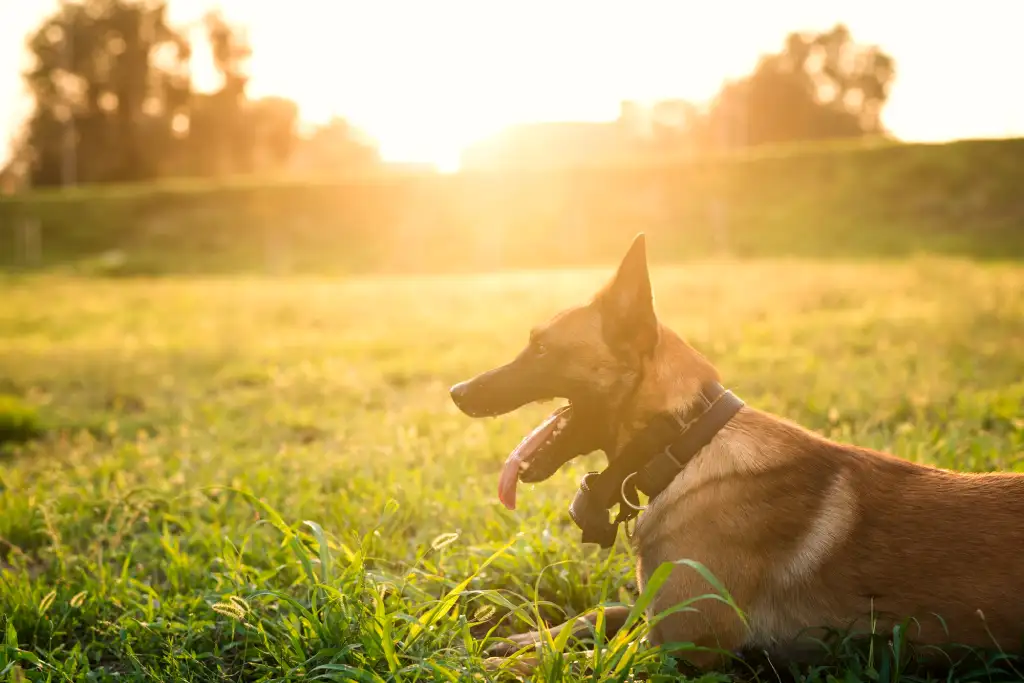
A sunny day might look perfect for walking in the park, exciting to explore, and getting vitamin D. Warm weather is good, but not for all; warm weather can quickly turn risky.
Not only humans, but also dogs are so sensitive. They sweat effectively. You can also ensure safety by providing your dogs with panting and a few paw pads to keep themselves cool.
You will be surprised to know that moderate temperatures can also cause some problems like dehydration, heat stress, make your furry dogs tired, or worse.
In this guide, we’ll teach you how to recognise the signs of heat stress, prevent overheating, and keep your dog safe during warm days, so your dog stays safe, secure, and stress-free.
The weather helps your dogs to walk happily and without hesitation or fear. It plays a massive role in your dog’s comfort and safety during walks. Temperature matters for dogs walking because there are some related factors. Those are-
By proper observation of the temperatures, you can keep your dog comfortable, safe, and on pleasant.

Simply imagine, while you enjoy the warmth of nature, your dogs struggle to cool themselves. Meaning that if you want to enjoy the environment, your dogs may face difficulty in the same weather.
This is why the first step in terms of ensuring the safety of dogs is to know the safe temperature for the dogs.
If the humidity is higher than the acceptable range, your dog cannot easily cool down through panting. Even 24–26°C (75–79°F) with high humidity can cause heat stress. For example, an 80° day with 80% humidity is too hot to walk your dog.
| Outdoor temperature ° C | Outdoor temperature ° F | Risk Level | Recommended time limit |
| Below 20 ° C | Below 68°F | Low | Safe for all dogs |
| 20°C – 25°C | 68°F – 77°F | Low to moderate | Dogs can walk for 20-30 minutes |
| 25°C – 30°C | 77°F – 86°F | Moderate to high | 10-15 minutes |
| 30°C – 35°C | 86°F – 95°F | High | 5 minutes |
| Above 35°C | 95°F+ | Extremely High | Stay home |
As long as you bring water with you when you go outside with your dog, it will definitely help you. But it does not make hot weather walks absolutely safe. Your dogs may also face overheating problems if you have plenty of drinking water.
Water is able to keep them hydrated, but it doesn’t protect against paw burns, heatstroke, or the rapid rise in body temperature that happens in hot conditions.
The way of perceiving heat in dogs is much different from that of human beings. The bodies of dogs are not built to cool effectively. They do not sweat the same way that humans do. Instead, they have to use panting as the primary method of heat loss along with some sweating via their paw pads, which makes heat escape much slower.
The fur of the dogs serves as insulation, and, besides, it is better in the winter, but in the Summer, it is a trap, and, as certain breeds, especially those of the brachyphalic (flat-faced) type, such as the pugs and the bulldogs, find breathing and cooling down difficult because of their noses.
After knowing all of these factors, you can see the difference between the temperatures experienced by humans and dogs. Dogs may be more likely to experience overheating, heat stress, and heatstroke.
This is the reason why you have to know that they are susceptible to heat in order to ensure their safety during warm weather.
Safe temperature guidelines are not only for the timing of walks with your dog, but also for knowing how the heat influences your dog. Dogs are more sensitive to temperature than people are, so even days we may consider warm but comfortable can be hazardous to them.
You can also walk safely with your dogs by knowing proper temperature advice, and never remain in danger of heat stress and injury.
The majority of dogs start to feel hot when the air temperature reaches 25 °C (77°F), and 32 °C (90°F) or above is considered dangerous for almost all breeds.
Flat-faced dogs, such as senior dogs, are especially susceptible. When the temperatures creep into this range, keep walks short, slow and in the shade.
The air temperature is not the only indicator of the situation; humidity is also essential. Heat index increases the difficulty of cooling down in dogs by panting, thereby exposing them to heatstroke. The high humidity of 24-26 °C (75-79°F) can be dangerous as well.
Although the air may be warm, not hot, pavement and asphalt could be (40-55) degrees Celsius (104-131) degrees Fahrenheit. Which is enough to burn your dog’s pads.
Take the 7-second hand test: lay your hand on the surface, but, like, if it is too hot, then your dog is too sensitive. It is always safer to walk on grass or on shaded paths.
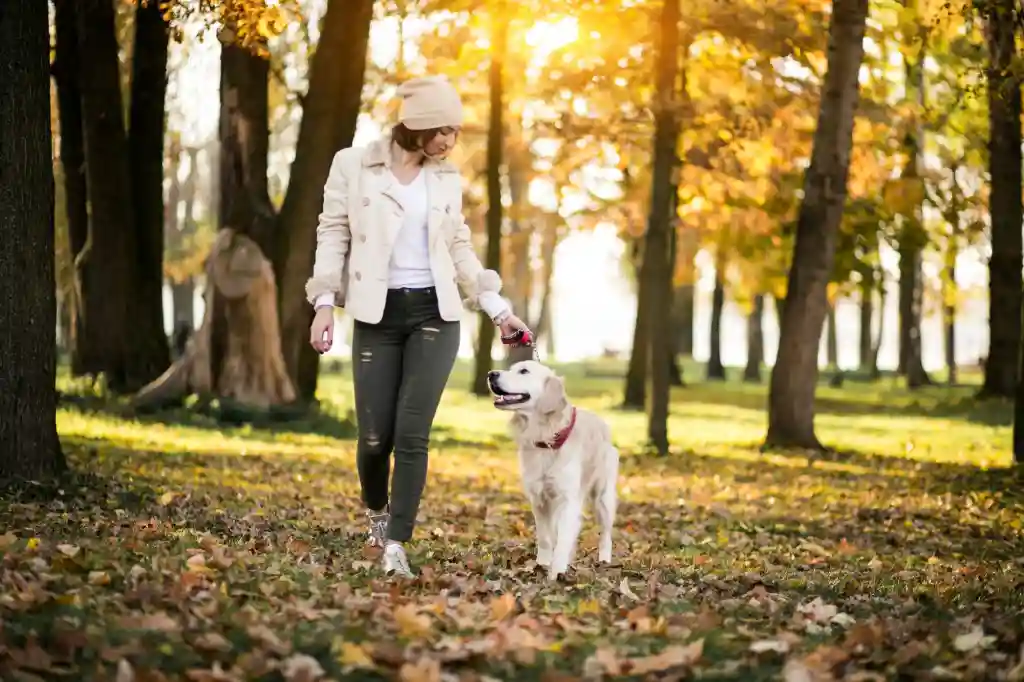
You can take your dogs out in the early morning (5-8 AM) or at night (7-10 PM), the most appropriate time to walk your dogs, as the temperatures, as well as UV levels, are lower at that time.
By walking during these colder days, you are likely to keep your dogs out of heatstroke, dehydration and burnt pawpads. It can be sweltering even in mild air, so just run a paw-test first in order to know whether to get out or not.
You should not walk with your dog between 10 Am and 5 pm since the heat is harshest during those times, and it is not safe for all breeds, especially seniors and puppies, who become overheated faster.
You should choose the right time of day to keep your dog’s walks safe, comfortable, and enjoyable, which can ensure your dog’s happiness.
You can keep your dog cool on hot days if you follow some procedures. To ensure your dog’s safety, you have to follow those orders.
Dogs are also very hot-blooded, and they can easily overheat, particularly during hot seasons, and the warning signs should be noticed early. Common indicators include:
If external weather remains Hot, it doesn’t mean that all outdoor fun with your dogs should have to stop. You may also play with your dogs, having a few rules. You can keep your dog active and safe in plenty of ways:
During the early morning or late evening, when the environment is cool, you can have fun with your pets, the dogs.
You can play with your dogs in grassy areas to avoid hot pavements.
To avoid the risk of your dogs’ diseases, you can have fun in shallow water or small pools.
You can play a hide-and-seek game in the garden or yard with your dogs.
It is also the best way to keep them calm while they are playing.
You can also train them to stay home during hot hours.
In addition to those, you should always carry fresh water, watch for signs of overheating, and choose activities that match your dog’s breed, age, and fitness level. Fun and safety can go paw-in-paw!
Dogs can be affected by walking outside when the temperatures are high. Fortunately, there are also some safe indoor activities :
These options keep your dog occupied, entertained and will not overheat besides burning up energy.
You can also take some emergency steps when your dogs become too hot. Means when you see the signs of overheating and heatstroke. By taking some necessary measures, you can prevent your dogs from harm. Those steps are –
In hot weather, you can save your dog’s life by recognising the situation quickly and taking action.

Only for £59 (was £999)
Access 400+ expert-led courses for 12 months.No hidden fees. Cancel anytime.
Get Access NowYou have to take extra precautions when walking your dog in hot weather to avoid overheating and burning their paws.
You should always choose early morning or late evening walks. You can also stay in shaded lanes or grass, and always bring lots of water.
Restrict physical activity to short and frequent walks and observe whether there is any discomfort or heat stress, which can be manifested through excessive breathing or decreased speed.
The paws of dogs can burn on hot pavements, and as such, it is important to take care of them. Some of the effective alternatives are:
With these measures, you can ensure your dog’s safe walking, even during summer heatwaves.
Yes, a dog heats more easily than a human being, due to the inability to cool their body by sweating through the skin, as humans do. Heavy-coated or flattened-faced breeds are more susceptible than other breeds, as well as humans.
The fastest way to cool a dog’s body is to take them to a shaded, calm, or indoor space. You can cool their temperature down slowly by pouring cool water (not ice) on their legs, underbelly, and neck. You can also use a fan to increase the speed of evaporation and provide small portions of cool water to drink.
You can tell that it is too hot for your dog after examining the air temperature, doing the pavement hand test (hold your hand on the pavement for 5 seconds). You can also see signs that the dog is overheated, such as unwillingness to walk, heavy breathing, or slowing down after going outside.
Dogs don’t have a single organ that sweats like human beings to get rid of body heat. They use various systems to control their heat: Lungs – Dogs cool themselves mainly by breathing in, and the healing process. Paw pads – Their paws contain a few sweat glands, which aid in the dissipation of some heat. Skin and blood flow– These also help to reduce their body heat.
Temperature is very important for everyone’s overall well-being and comfort. But dogs are so vulnerable that they can’t tolerate overheating. Dogs find it difficult to cool themselves down when the temperature increases, so walks with dogs during hot weather are more dangerous than walks with humans.
This is why knowing what temperature is too hot to walk dogs is crucial to every responsible pet owner. Being aware of the boundaries will help you determine the time you can walk safely and avoid overheating, which can be dangerous for your dogs.
You can prevent your dog from unnecessary harm by deciding on cooler hours, observing the pavement, and knowing the first signs of heat stress. A small consciousness makes you and your dogs walk safely, joyfully, and pleasantly.

High Skills Training is a UK-based CPD training provider offering structured online courses and educational resources across health and social care, business administration, and professional development, supporting recognised standards and ongoing workforce development.
Get the latest insights, tutorials, and deep dives delivered to your inbox every week.
🔒 No spam. Unsubscribe anytime.
Learn how to get pet first aid certified in the UK. Find accredited courses, understand certification types, and discover why it matters for pet...
View This Blog
Why Should You Do Accredited Dog Training Courses UK? Check out this blog to find all the information you need.
View This Blog
A step-by-step guide on how to start a dog walking business UK: company registration, do market research, pick services, get licensed & learn the...
View This Blog
