




What Equipment Can an Occupational Therapist Provide?
What equipment can an occupational therapist provide? From bathing aids to stairlifts, find what keeps you safe and independent at home.
View This BlogSpecial Deal
£11.24Any Courses
Limited Time only


Learn why is CPD important in health and social care. Explore its benefits for better care, compliance, confidence and career development. Read more
CPD, or continuing professional development, is about keeping your knowledge and skills up to date so you can grow in your role and stay confident in your daily work. In health and social care, especially in the UK, things change quickly, and CPD helps you stay prepared and continue improving.
So, why is CPD important in health and social care? Because it strengthens your skills, supports safer and better care, shows employers you are committed to learning, and opens new career opportunities. It also keeps your practice current so you can handle everyday challenges.
This blog will help you understand the importance of CPD in health and social care, the benefits it brings, how it can support your professional growth and much more.
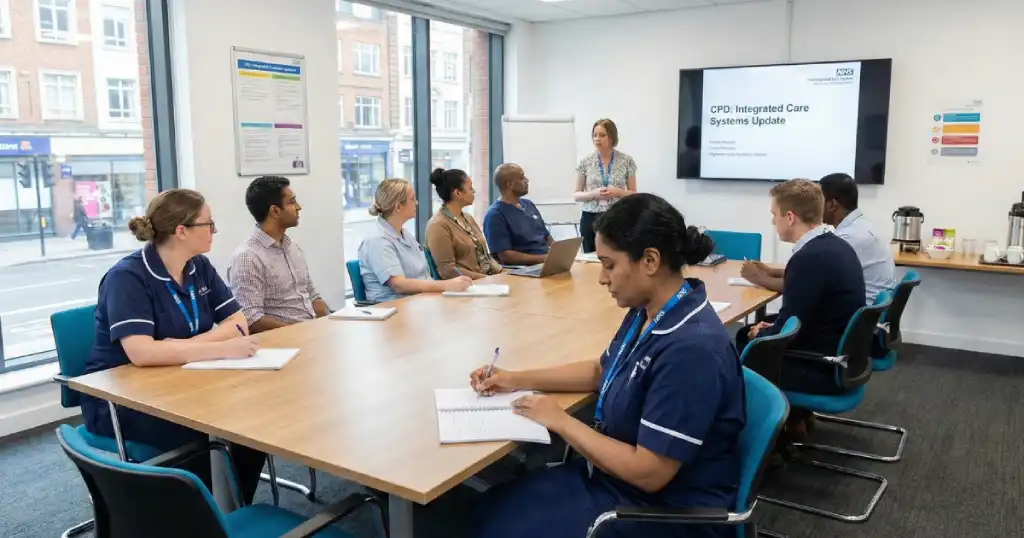
CPD means continuing professional development. Basically, it means keeping your skills and knowledge updated throughout your working life. All the health and social care professionals are encouraged to do this.
In the constantly growing job sector in the UK, new policies, regulations and ways of treatment can come in at any time, and CPD helps you stay up to date so you can provide safe and confident care.
CPD involves anything that assists you to learn, like training, observing your colleagues, reading or brief online lessons. It is only about developing your competencies in such a way that you can feel more confident in your work and can take the next career step.
At High Skills Training, we also provide CPD training to support health and social care professionals in staying updated and confident in their roles.
The question you may be asking yourself is why CPD is so significant in health and social care. It is not just about meeting your employer’s requirements. It actually helps you grow and provide better care. Here is why it matters:
There is a continual change in health and social care. New treatments, regulations, and technologies are produced on a regular basis. CPD keeps your skills up-to-date and efficient.
Professionals offer better quality care when they remain updated. This has the capacity to enhance patient safety, recovery period and general satisfaction.
Most of the UK healthcare regulators, like the Nursing and Midwifery Council (NMC)or the Health and Care Professions Council (HCPC), demand continuous CPD to be able to remain registered.
Confidence increases with learning new skills and reflecting on your practice. This simplifies the process of managing complex situations and also makes informed decisions.
Employers value staff who invest in CPD. It can open doors to promotions, specialisations, or management roles.
CPD shows your dedication to excellent care. It is an indication of professionalism and commitment to colleagues, patients and regulations.

CPD is not just following rules. It has real benefits for your growth, both at work and personally, especially in the UK. Here’s how it helps:
Taking part in CPD helps your career. Learning new skills and keeping your knowledge up to date make you a stronger candidate for promotions, specialised roles, or new opportunities.
Learning and developing new skills make your work more enjoyable. It boosts your confidence and helps you feel more satisfied and proud in your role.
CPD activities like workshops, conferences, and seminars give you the chance to meet other professionals. You share ideas, learn from others, and build valuable connections.
CPD helps you reflect on your practice and put new knowledge into action. This improves the care you give, leading to better outcomes for patients and a more rewarding experience for you.
CPD isn’t just about technical skills. It also helps you improve important skills like communication, teamwork, and leadership, which are essential in health and social care.
To learn more about CPD training, you can enrol in online courses from trusted online training providers in the UK. This course will help you update your skills, stay compliant, and support your professional growth in practical and effective ways.
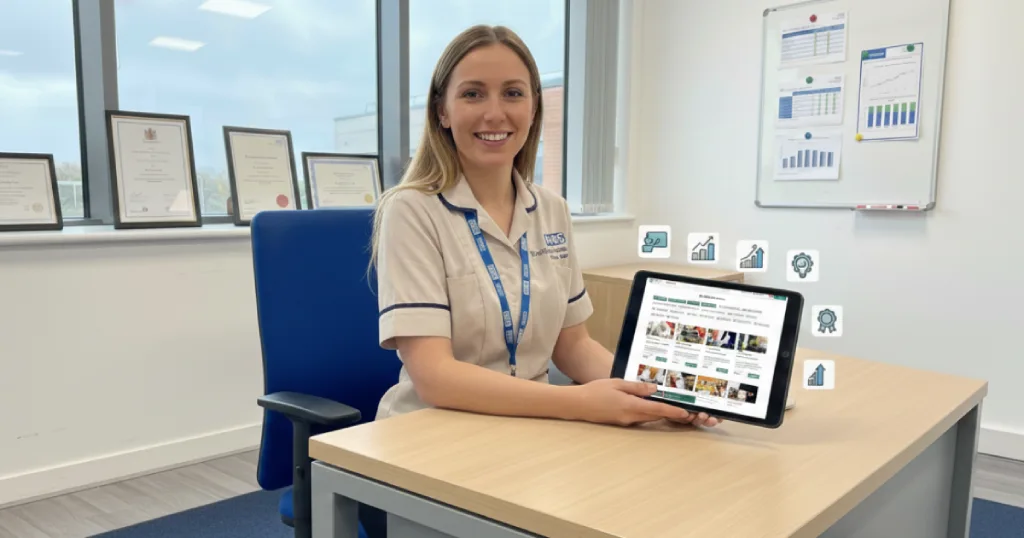
CPD is important in defining your career path. It can make you expand your knowledge, develop your skills and be confident in your professional abilities. CPD keeps you moving and opening the doors, which may not be easy to open without continued education, whether you want to become more of a specialist or just feel a lot safer in your daily practice.
There are higher positions which demand additional training or certifications. CPD will provide you with the opportunity to attain these degrees and advance to advanced or specialised jobs.
Employers value people who are committed to learning and improving. Keeping your CPD up to date can make your CV stronger when applying for promotions or internal roles.
Regular CPD shows that you are serious about maintaining high standards. This helps build trust with colleagues, patients, and professional bodies.
The health and social care industry is always changing. CPD lets you know the latest treatment, policies, and new technology about how to provide safe and effective care.

CPD is a good theory, but putting it into practice is what really changes you. These simple and practical tips will help you get the most out of every learning opportunity:
Consider your future career direction and have learning objectives that align with your future career direction. Having clear goals assists in selecting activities in CPD that are relevant and meaningful.
Employ a combination of teaching methods which include workshops, online courses, reading and practical experience. A combination of strategies assists you in reinforcing your knowledge and makes the process of learning engaging.
Take time to think about what you learned and how it fits into your daily work. Reflection helps you strengthen new skills and improve your practice.
Record your CPD activities in a portfolio. Insert the courses which you have taken, the skills which you have obtained, and your thoughts. This is highly applicable when doing appraisals, job applications and professional registration.

Only for £59 (was £999)
Access 400+ expert-led courses for 12 months.No hidden fees. Cancel anytime.
Get Access NowAsk your colleagues or mentors for feedback on what you have learned or accomplished. Open and positive feedback will make you notice what is working and what you can improve.
CPD should be a habit rather than a once-in-a-while activity. Even minor learning exercises that are performed regularly can bring considerable changes in the long run.
The five key principles are planning, learning, applying, reflecting, and recording. These steps help you set goals, gain new skills, use what you learn in practice, reflect on your progress, and keep evidence for future development or registration.
SMART goals are Specific, Measurable, Achievable, Relevant, and Time-bound. They help you plan clear learning targets so you stay focused, track progress, and complete your CPD activities within a set timeframe.
The main aims of CPD are to keep your skills updated, improve care quality, support your career growth, and meet professional standards. Its objectives include continuous learning, better performance, and stronger confidence in your role.
Reflection helps you understand what you learned, why it matters, and how it improves your practice. It turns learning into real improvements by encouraging self-evaluation and identifying areas for future development.
There are generally three types of CPD. Structured learning, such as courses. Unstructured learning, like reading or research. Work-based learning, such as shadowing or mentorship. All three support ongoing professional growth.
Understanding why is CPD important in health and social care reveals that it enables you to keep updated, upgrade your competencies, and deliver safe, high-quality care. It builds confidence as well as supports an individual’s CPD for their career. It helps to remain valid and suitable in a transformed working environment.
By improving your skills, reflecting on your experiences, and learning new methods, you become more confident and believable. These habits make you ready for changes in your job and in the health and social care field.
Learning all the time while working lets workers move up in their jobs, take on more expert tasks, and stay sure, quick to change, and able to give top care each day.

High Skills Training is a UK-based CPD training provider offering structured online courses and educational resources across health and social care, business administration, and professional development, supporting recognised standards and ongoing workforce development.
Get the latest insights, tutorials, and deep dives delivered to your inbox every week.
🔒 No spam. Unsubscribe anytime.
What equipment can an occupational therapist provide? From bathing aids to stairlifts, find what keeps you safe and independent at home.
View This Blog
Occupational therapy benefits explained: how it rebuilds independence, mobility and confidence for adults and children across the UK
View This Blog
Explore occupational therapy vs physiotherapy and learn key differences, shared goals, and career guidance for UK care professionals and aspiring therapists.
View This Blog
